This collection showcases select case studies that reflect my leadership action in educational technology, instructional design in both K-12 and Higher Education, and professional learning. Each example highlights how I’ve led strategic initiatives, built staff capacity, and fostered inclusive, future-ready learning environments. Click each topic below to explore examples of practice.
Divisional Leadership Examples
Divisional Professional Learning
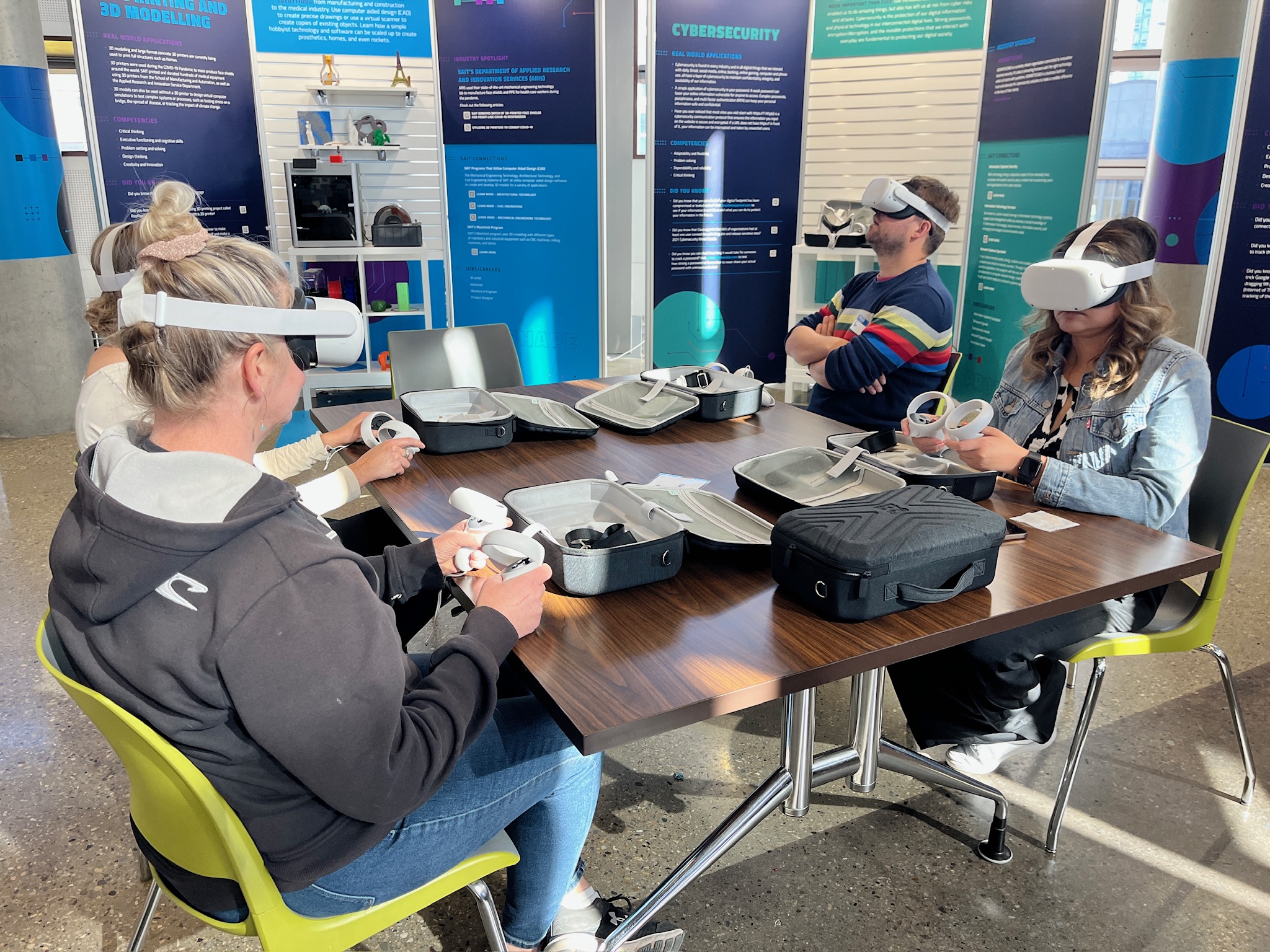
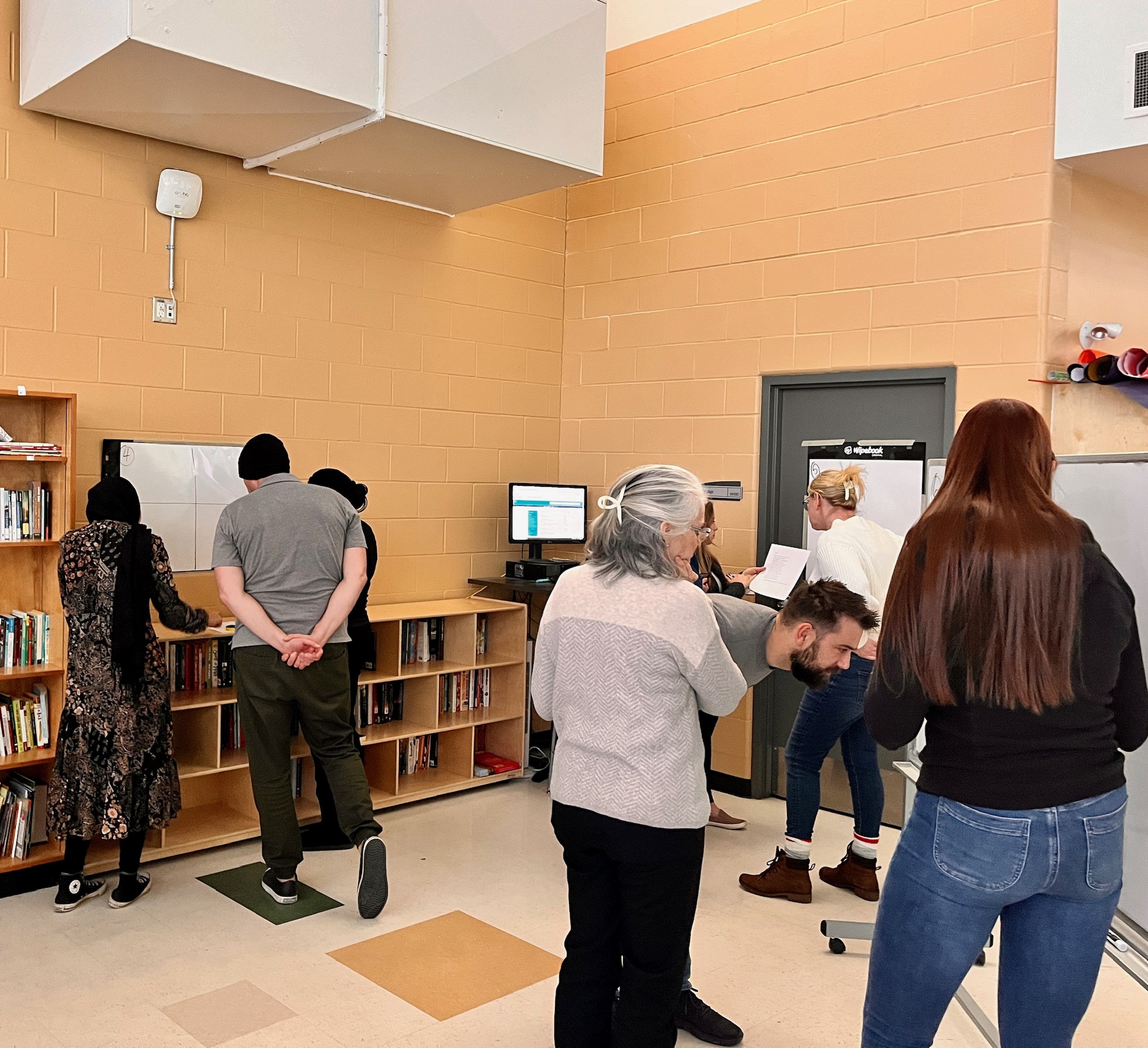
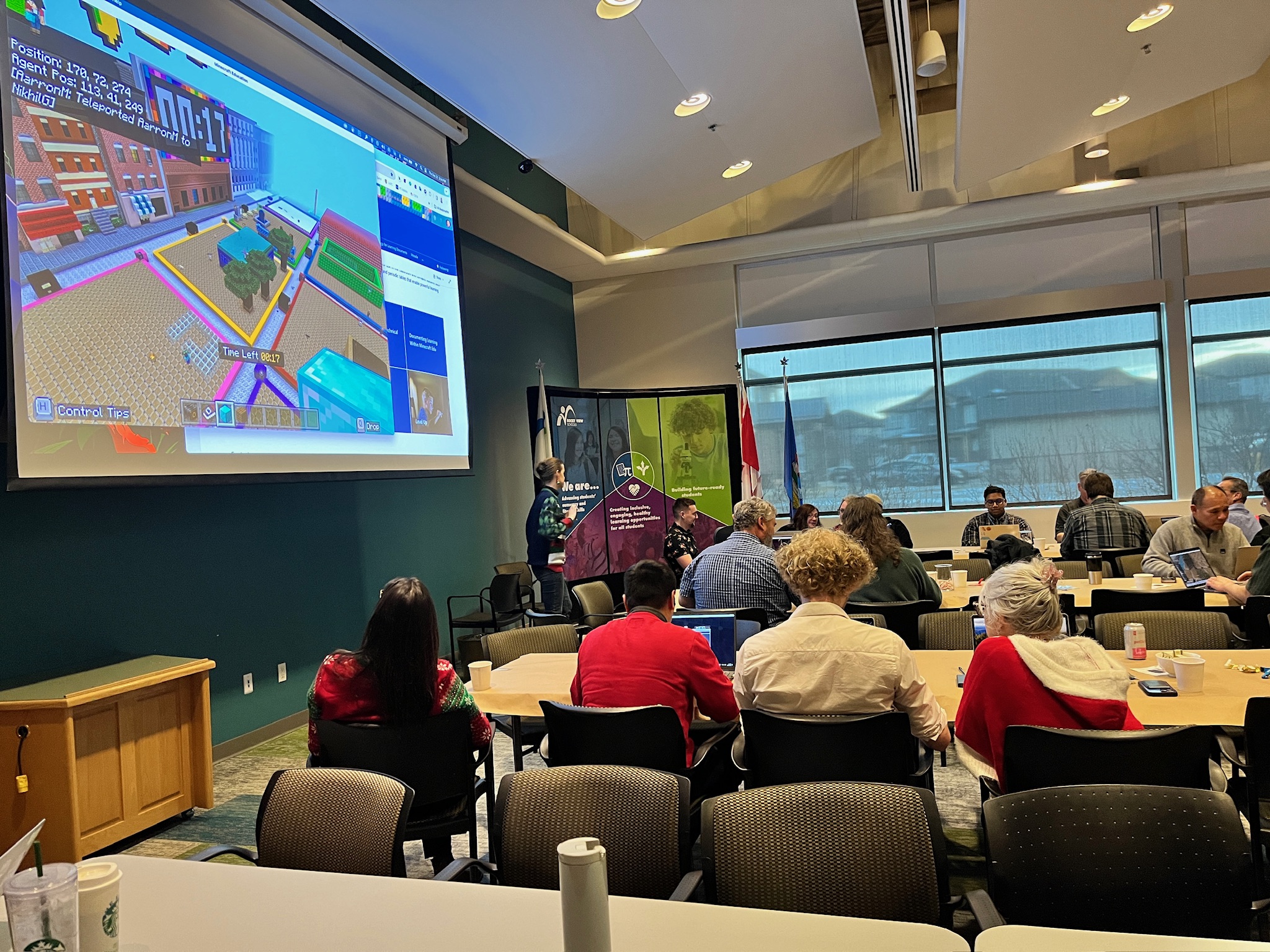
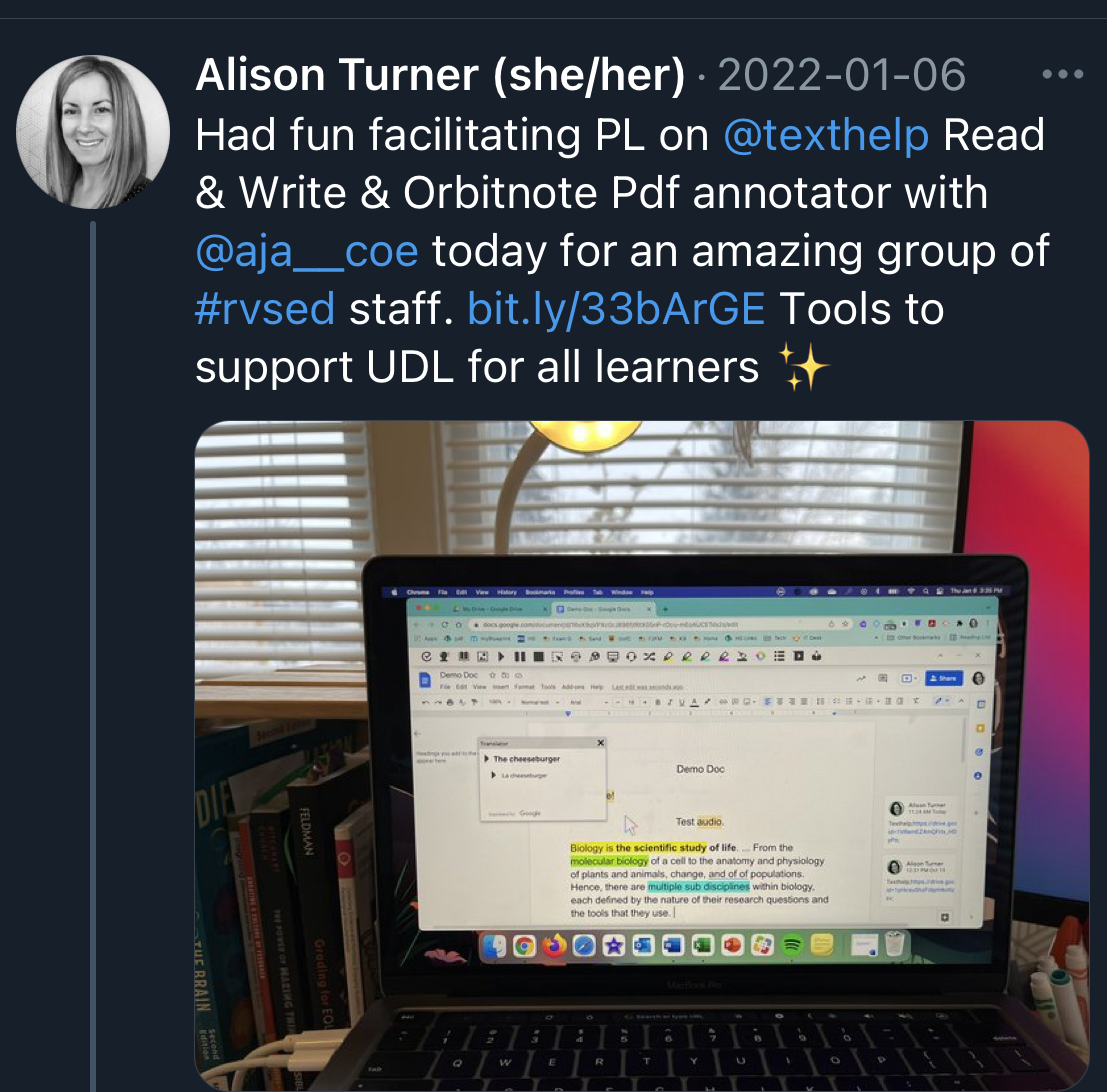
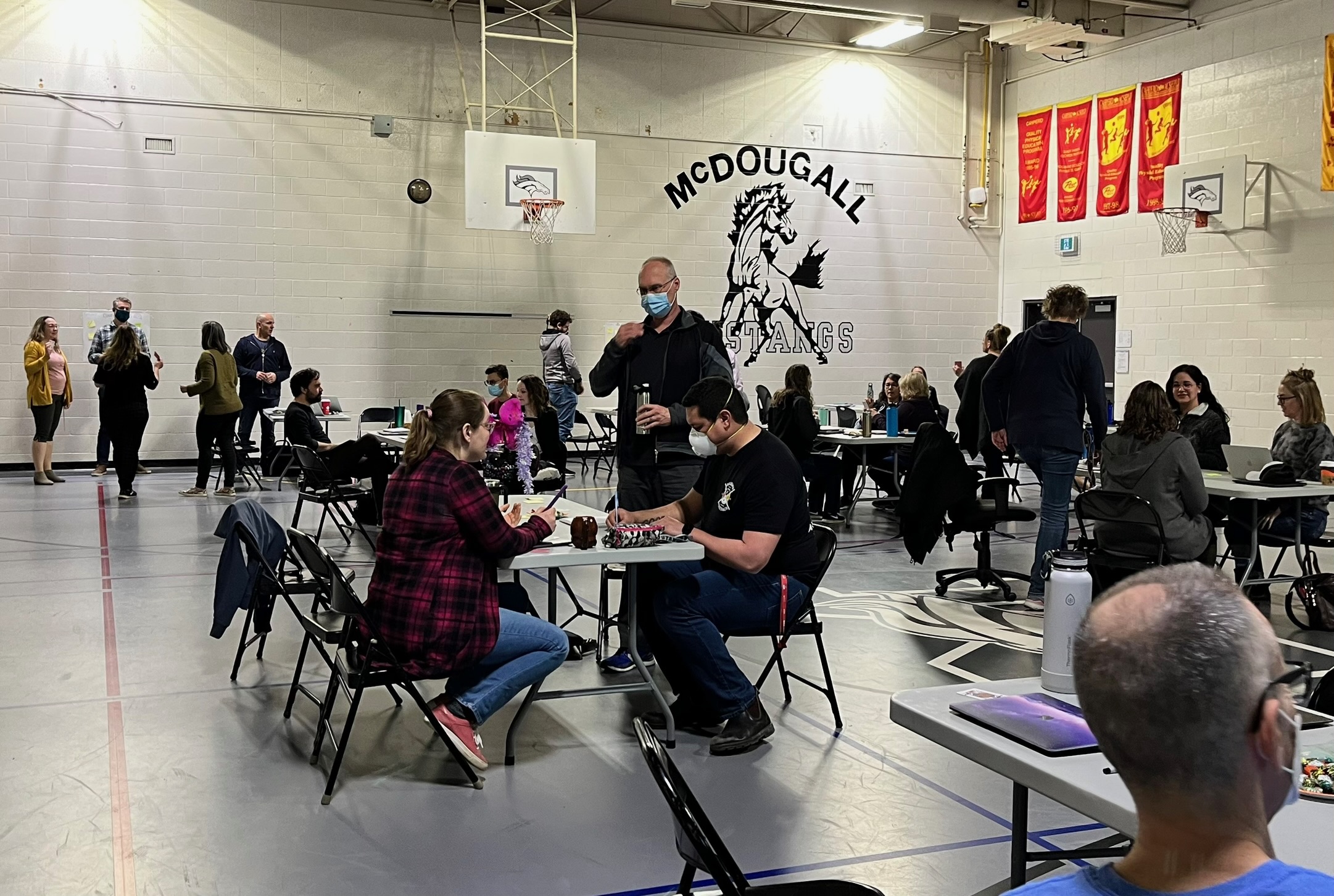
As a Learning Specialist in Educational Technology, I have designed and led divisional professional learning initiatives across more than 50 schools, reaching over 1,500 educators. My work focuses on building capacity through digital portfolio implementation, Universal Design for Learning (UDL), instructional design, assessment strategies, and technology integration.
I specialize in translating complex ideas into practical, evidence-based solutions that foster collaboration, engagement, and performance. By supporting teams in adopting emerging tools—such as GenAI, robotics, maker technologies, and digital platforms—I have helped create innovative, inclusive, and future-ready learning environments. This work has strengthened my expertise in strategic planning, change management, and facilitation, equipping organizations to navigate digital transformation and achieve meaningful outcomes for both learners and educators. I also foster leadership in teams and schools.









K12 Digital Portfolio Implementation in Rocky View Schools
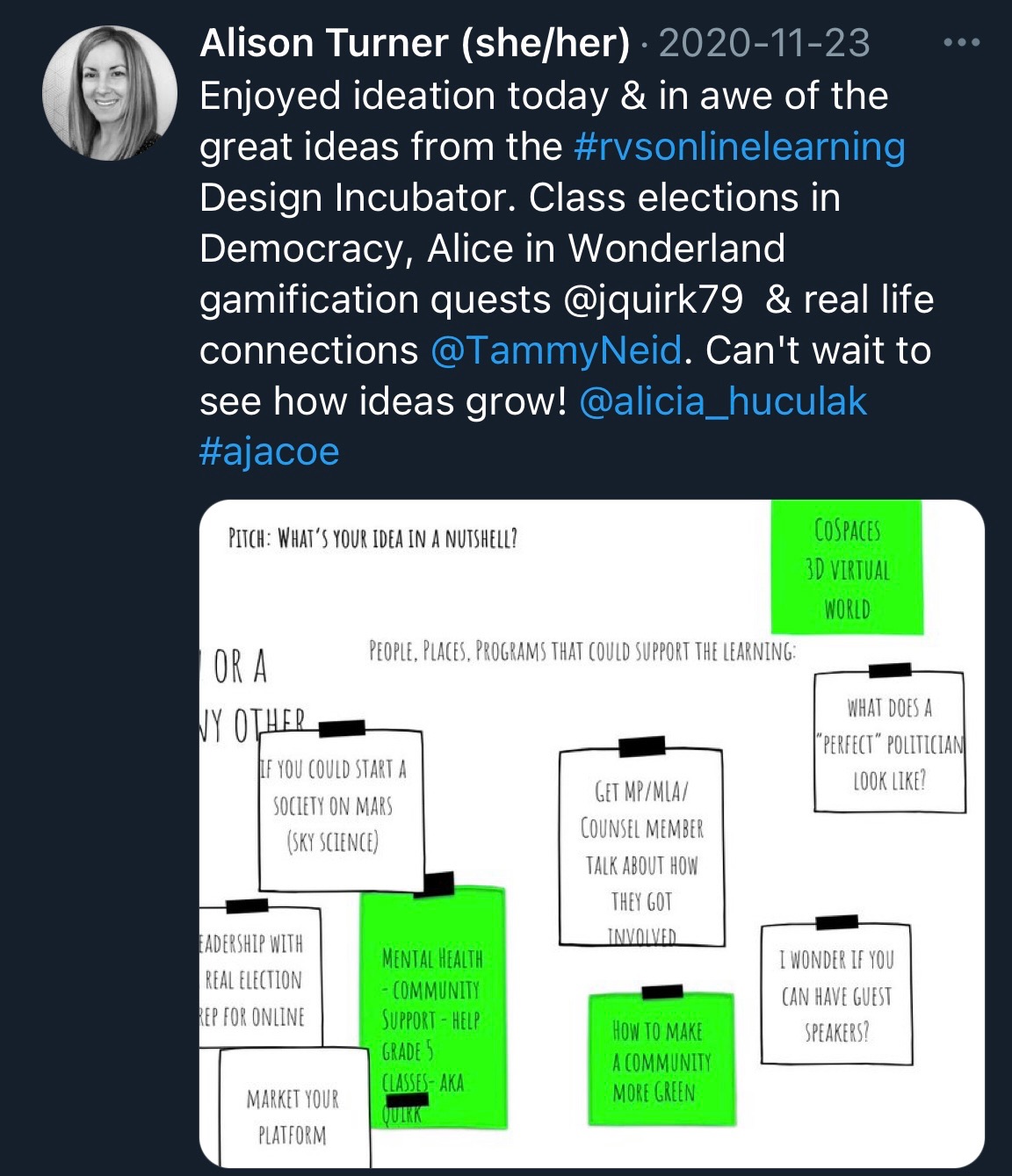
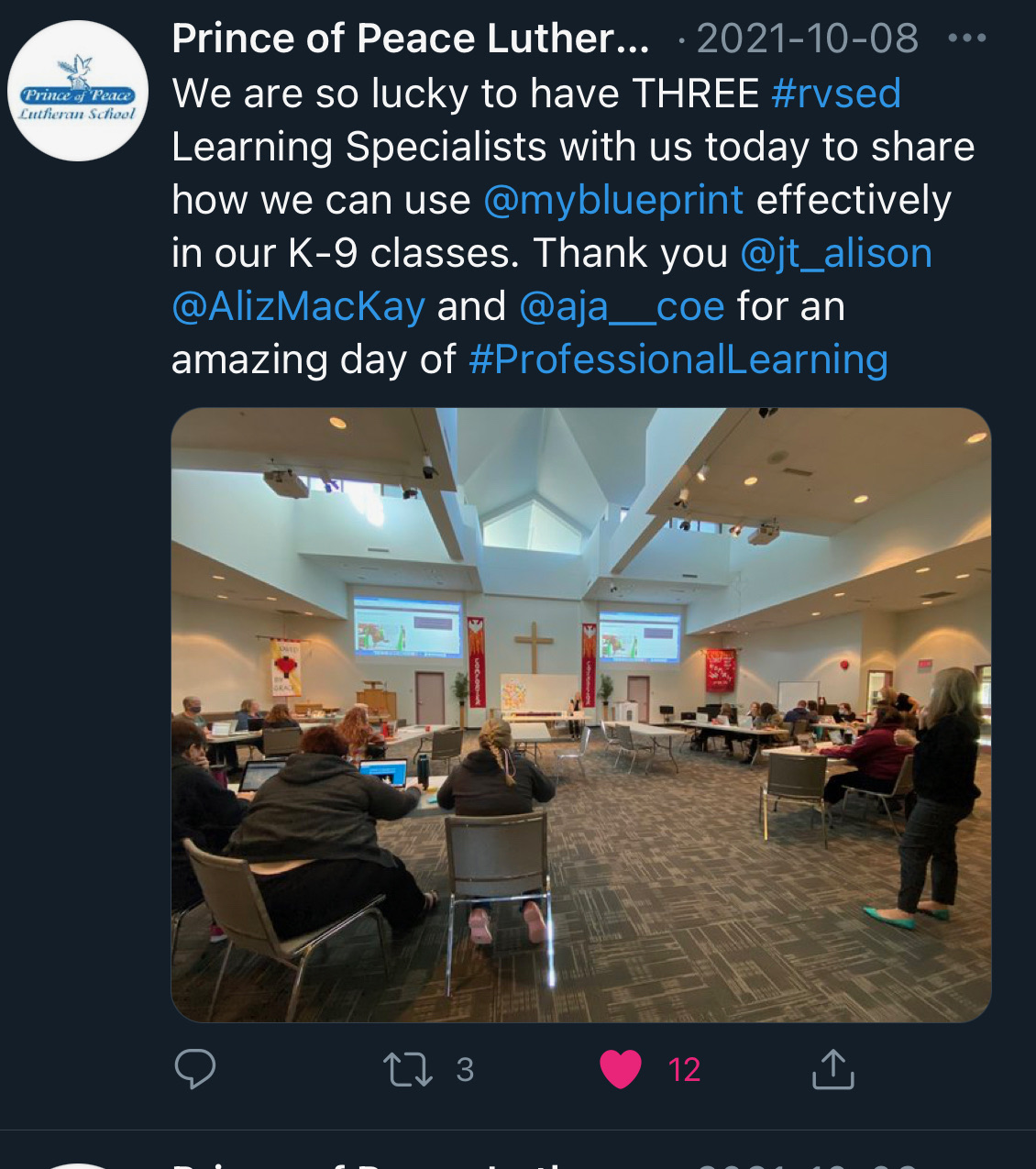
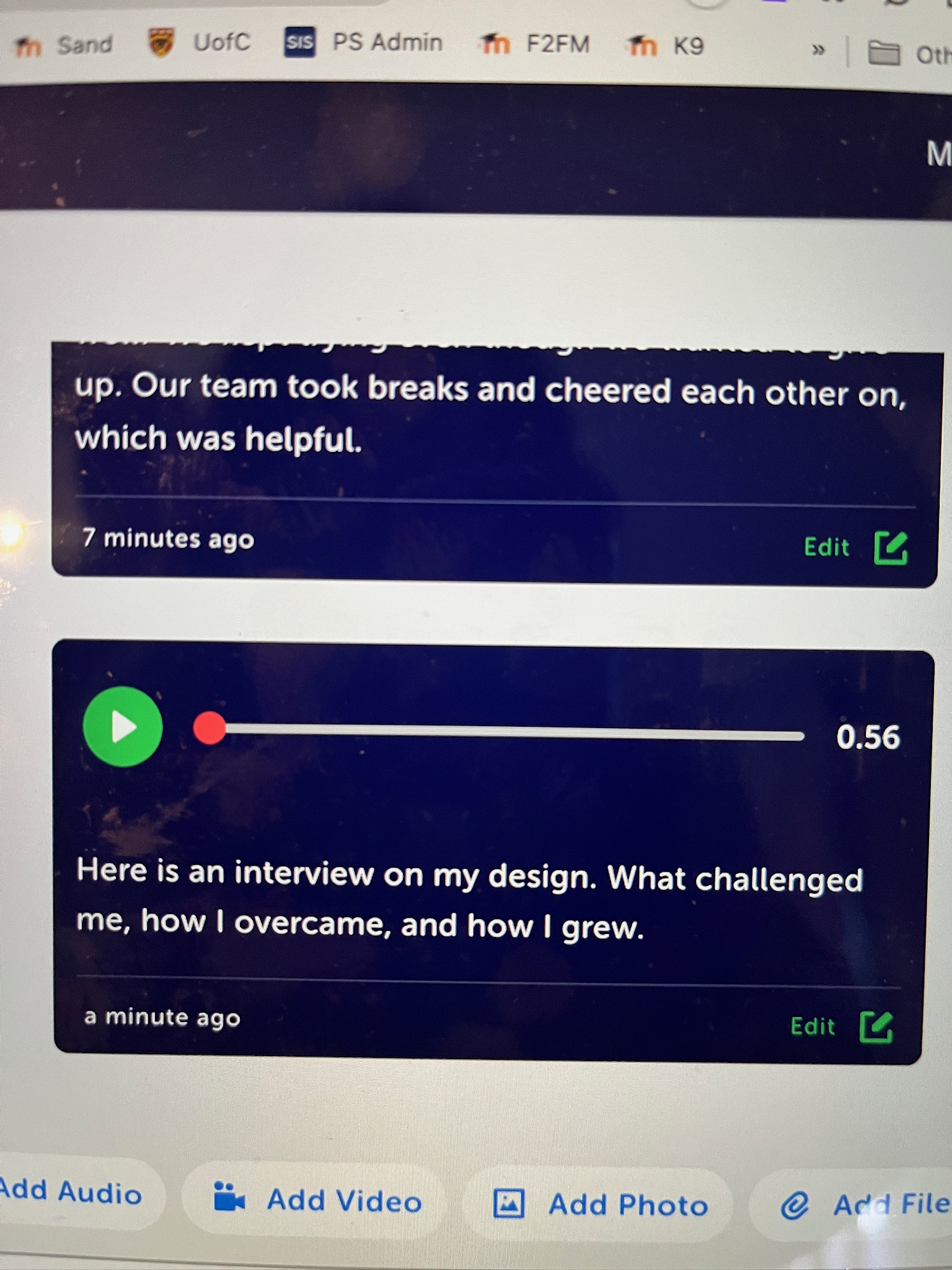
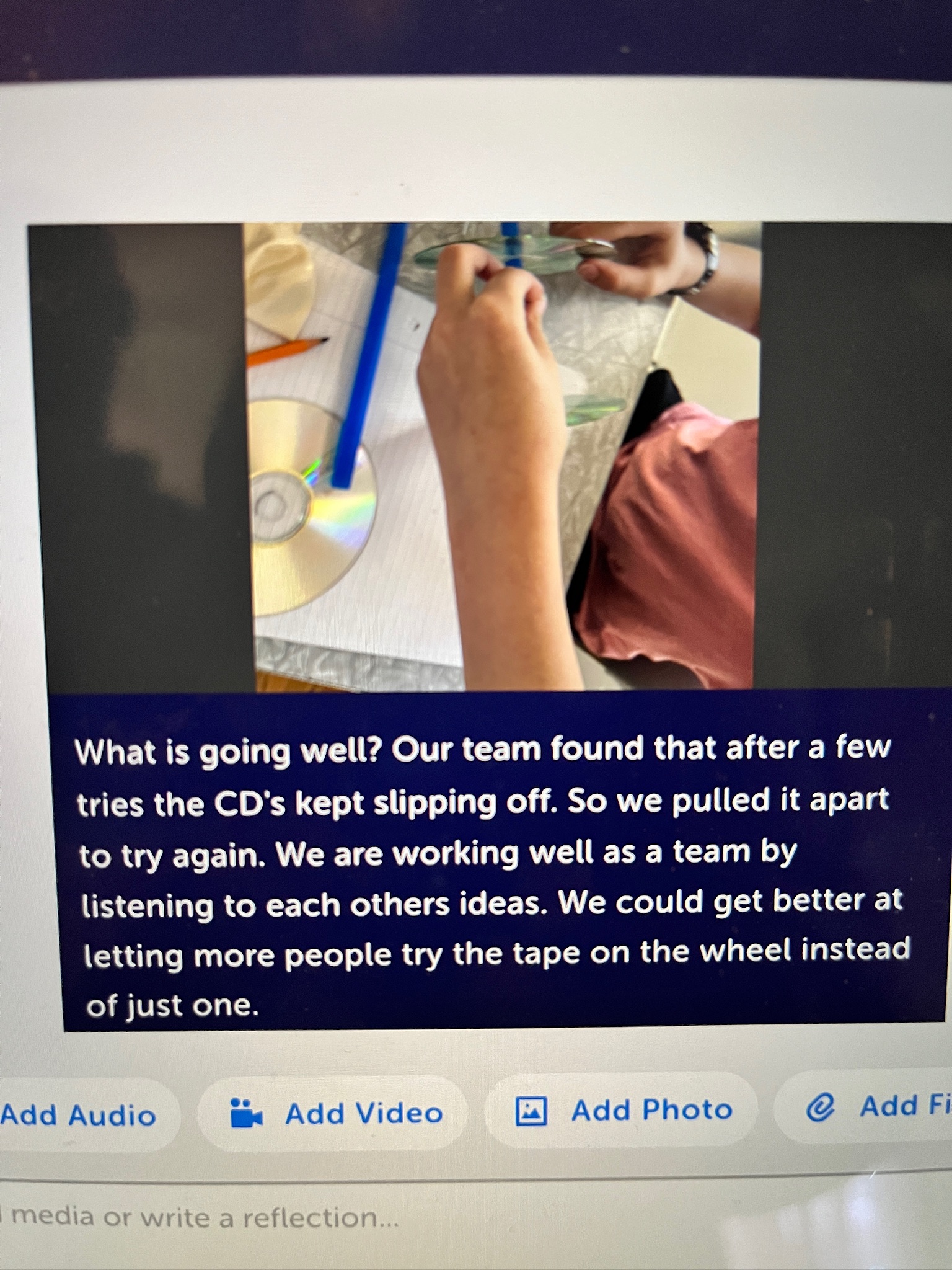
In alignment with Rocky View School’s Administrative Procedure 360: Student Assessment and Real Time Reporting assessment practices, this initiative focused on the division-wide implementation of a digital portfolio tool called myBlueprint to enhance student reflection, ownership of learning, and communication of growth. Grounded in the Alberta Teaching Quality Standards and Universal Design for Learning (UDL) principles, the project supported teachers in designing inclusive, outcome based assessment practices. Through strategic leadership, cross-school collaboration, and targeted professional learning, the initiative empowered over 50 schools to adopt consistent digital portfolio practices that honour multiple ways of knowing, showing, and growing.
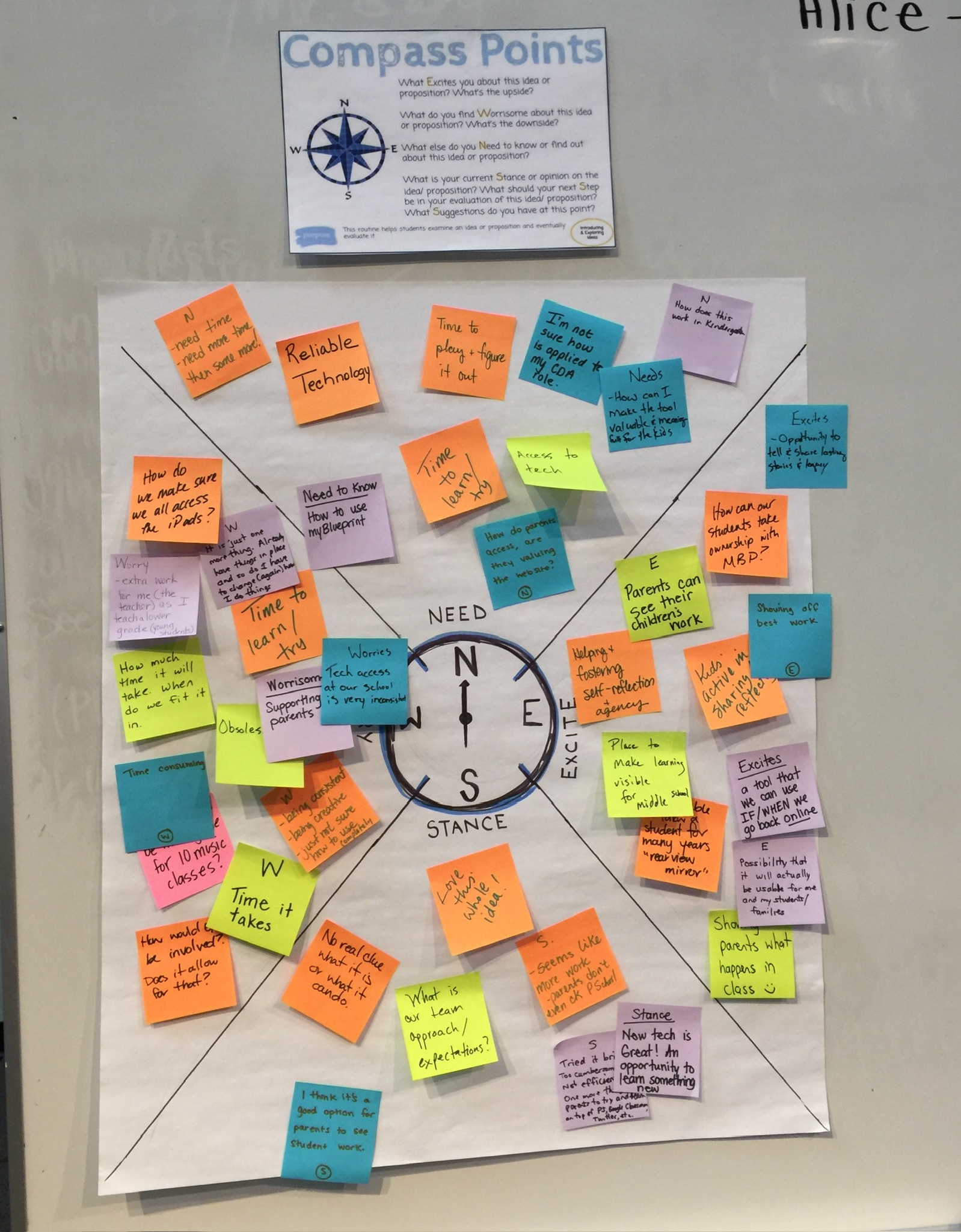
My leadership involved a multi-tiered approach to professional learning, including:
- Elbow-to-elbow in-class support to model integration within authentic classroom contexts
- Collaborative school team planning sessions to align portfolios with curricular outcomes
- School representative (train-the-trainer) capacity building
- Administrative leadership professional learning
- Division-wide and school-based PD focused on reflective practice and assessment literacy (online and in-person)
- Resource development (website, SharePoint, weekly newsletters, exemplars, videos, lesson plans etc.)
Through this work, educators deepened their assessment practices while empowering students to communicate their learning journey in diverse and meaningful ways.


Your Voice is Power: Student Hackathon
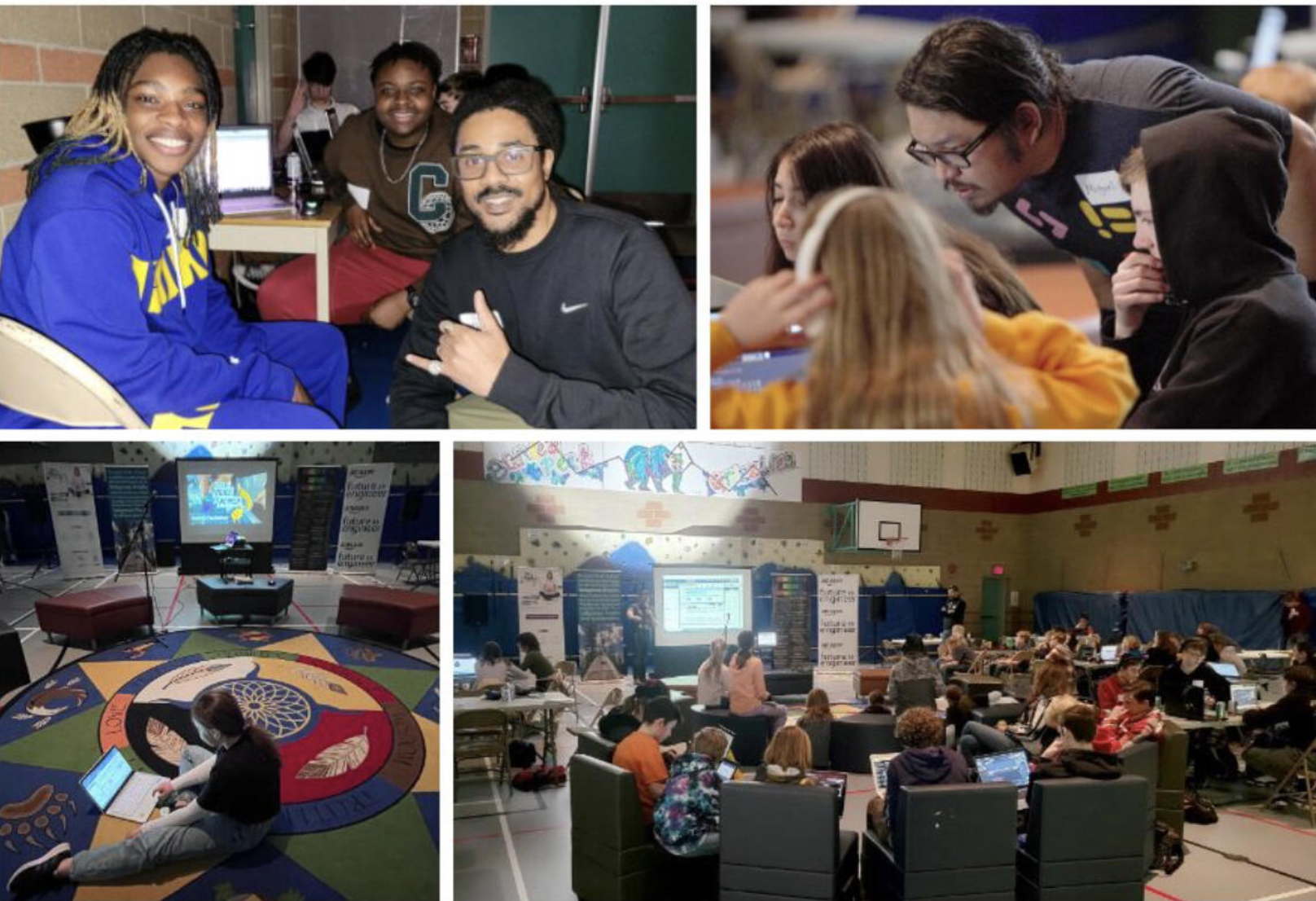
Hackathon: Your Voice is Power
Middle School and High School Learners remixed music tracks with coding to compete in the Your Voice is Power competition sponsored by Amazon Music.
Level Up! K-12 Minecraft Division Challenge and community partnership
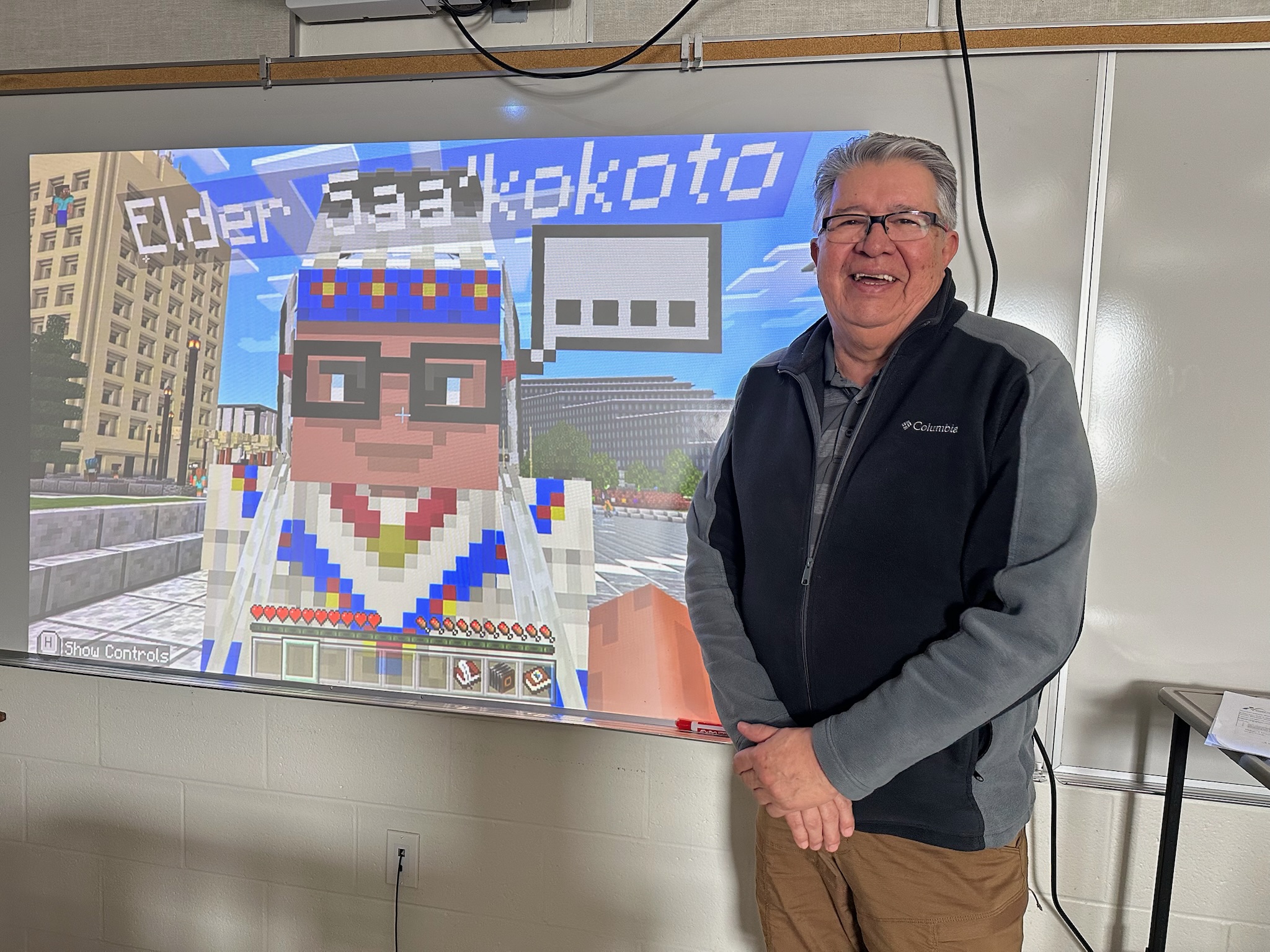
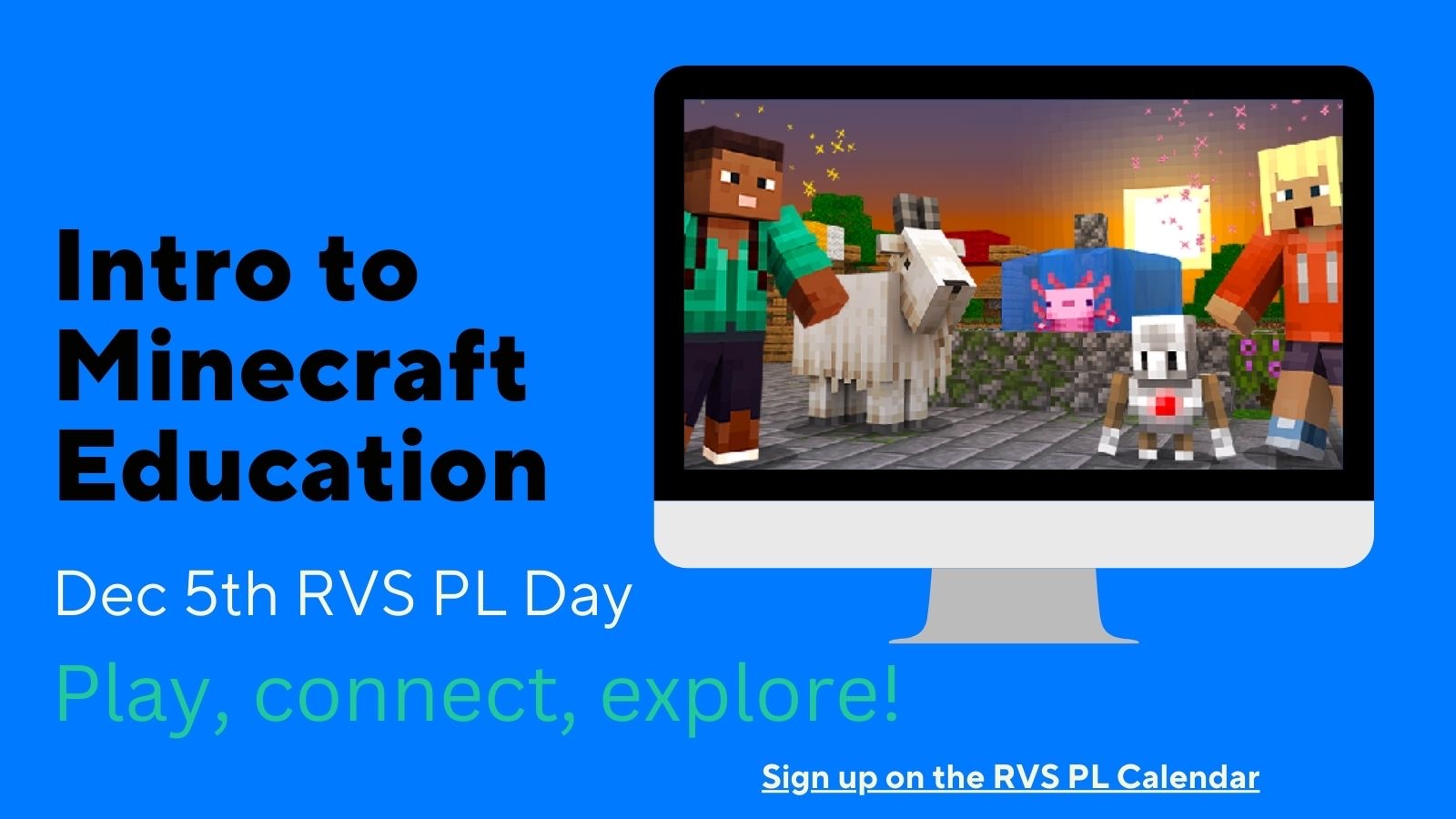
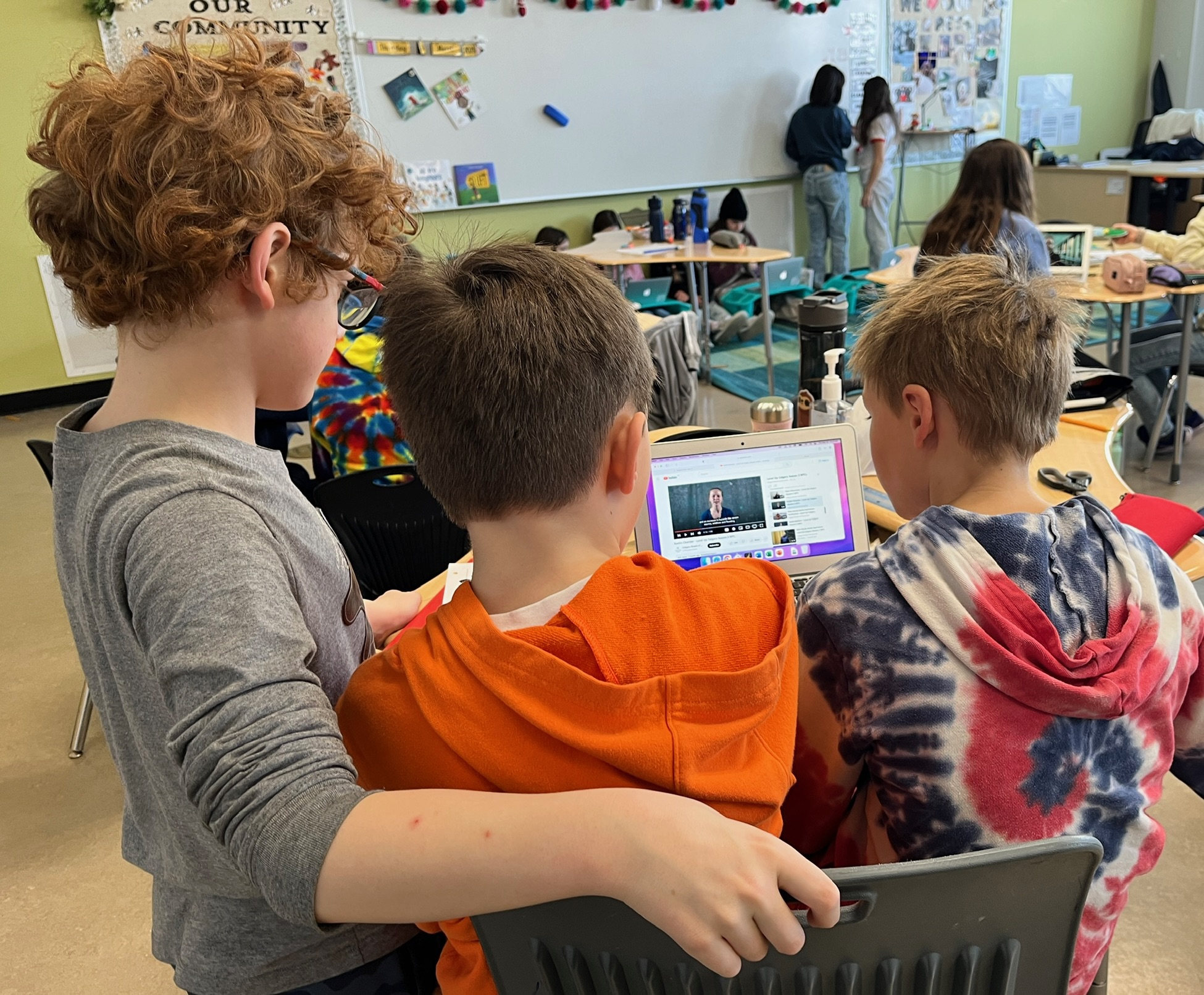
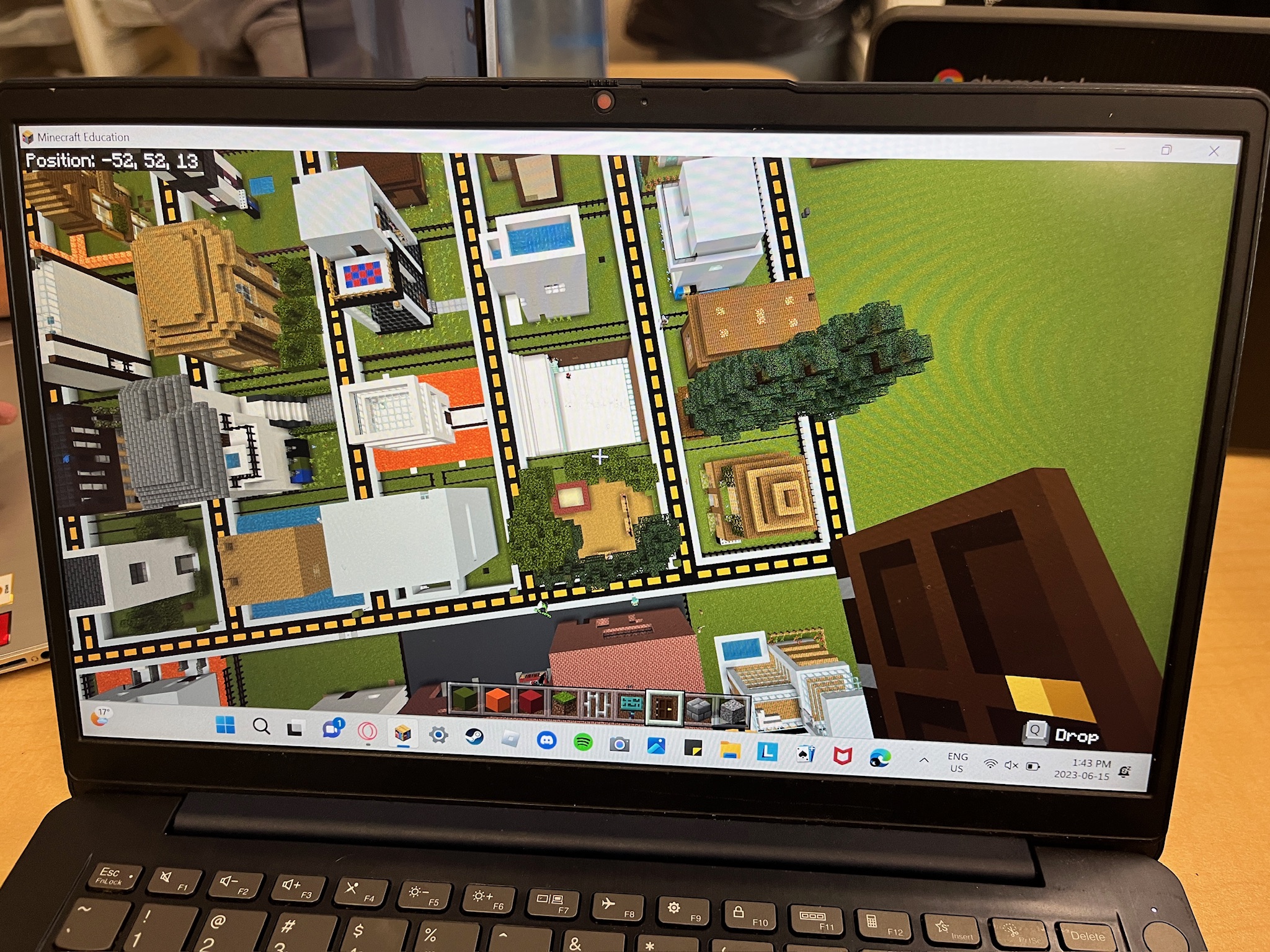
I supported a division-wide project, Level Up Calgary, a Minecraft: Education Edition challenge delivered in partnership with The City of Calgary, Microsoft, and the Calgary Board of Education. In this initiative, students were challenged to reimagine and redesign a real Calgary public space within Minecraft, then create a two-minute persuasive video pitching their solution. Finalist videos were viewed by Calgary community experts and a winner was chosen for each grade division. The finalists were celebrated at a Downtown Calgary event attended by with finalists, Mayor Gondek, RVS Superintendent and schools trustees. This project fostered interdisciplinary learning by blending design thinking, civic engagement, digital creativity, and persuasive communication, while giving learners an authentic platform to apply their ideas to real-world contexts.





Alberta Teachers Association Instructor
As an Association Instructor with the Alberta Teachers’ Association (ATA), I facilitated professional learning sessions across southern Alberta, supporting teachers and school leaders through high-impact workshops. My focus areas included innovative topics such as makerspace integration, Indigenous education through the Blanket Exercise, and learning design rooted in Universal Design for Learning (UDL).
One notable engagement involved delivering a full-day professional learning session at a rural school division’s district-wide PD day. I guided K–12 educators through the principles and practical implementation of makerspaces, demonstrating low-barrier entry points using existing classroom resources to foster creativity, critical thinking, and cross-curricular learning. Participants left with actionable plans tailored to their school contexts.
I also led sessions on learning design using UDL principles, helping teachers redesign summative tasks to ensure accessibility and engagement for diverse learners. Feedback from these sessions consistently noted the practical, hands-on nature of the learning, as well as the relevance to Alberta classrooms.
These experiences reflect my commitment to responsive, reflective professional learning that empowers educators and aligns with current curricular and social priorities.

Visual Arts Convergence Event
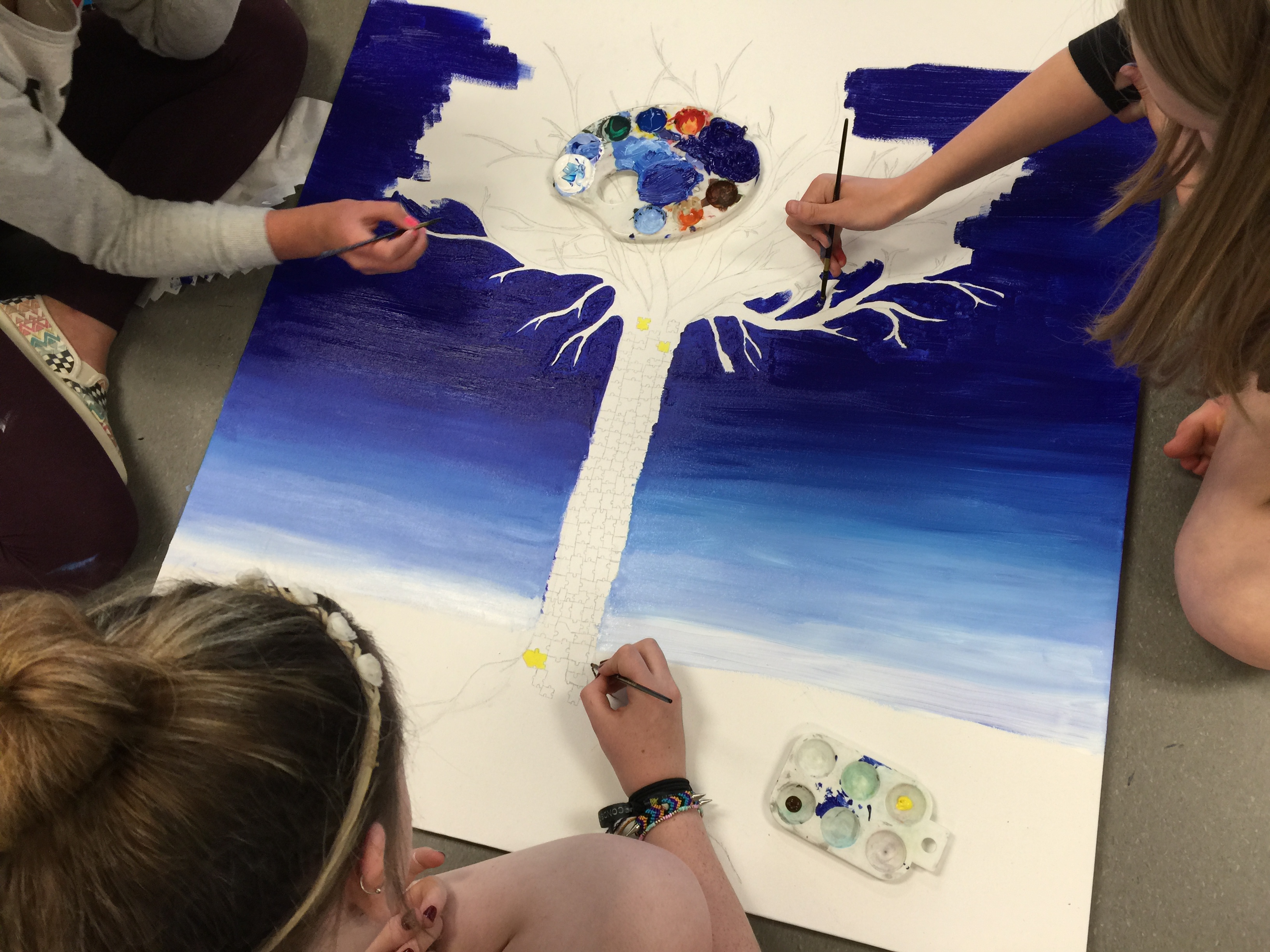
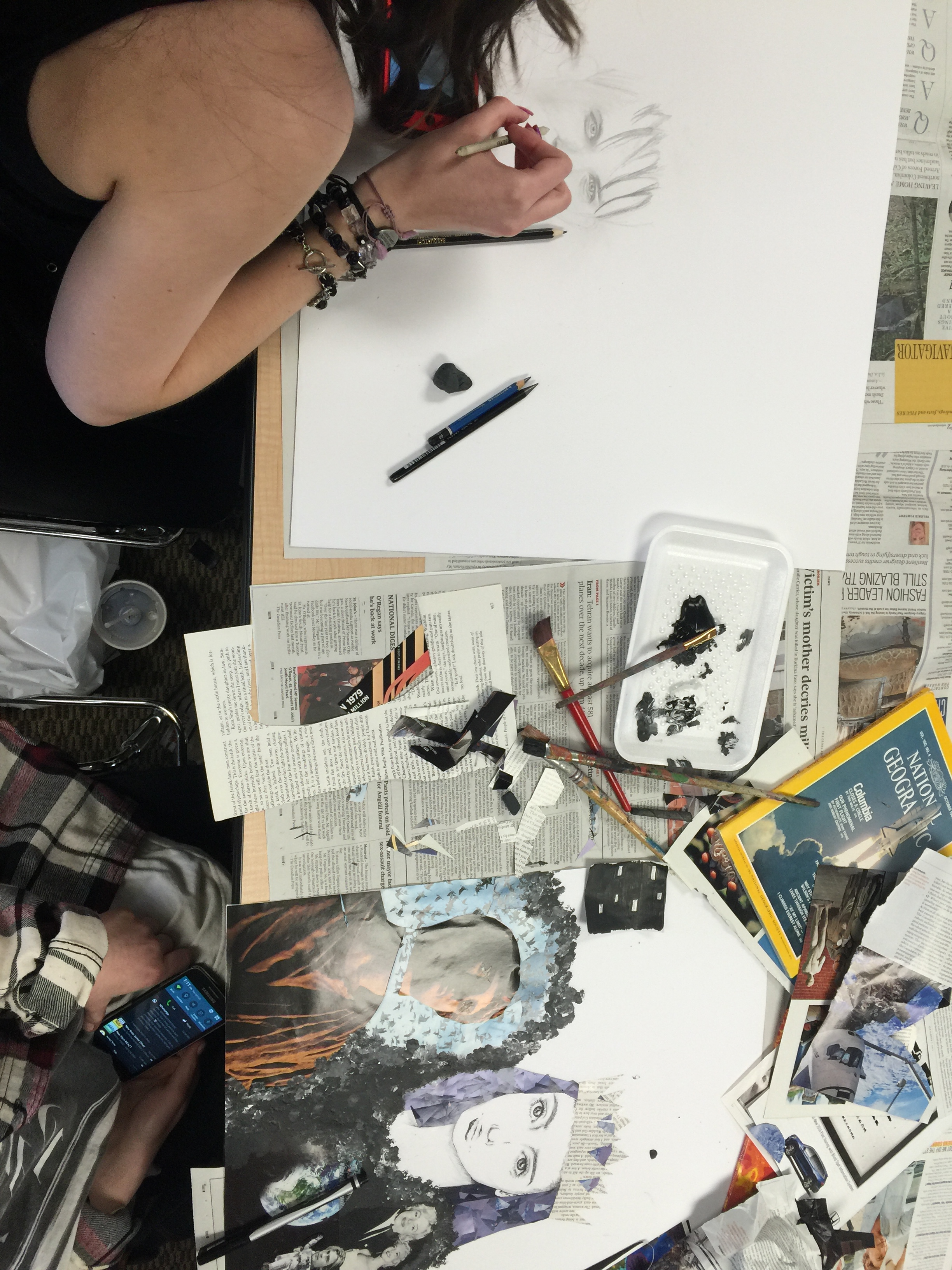
The Visual Arts Convergence brought together over 100 students, St. Mary’s University education staff, and local artists for a full day of collaborative artmaking. Designed as a community of practice, the event fostered connection across schools, disciplines, and generations of learners. Through shared creative experiences, participants explored artistic expression, built relationships, and celebrated the power of art to unite and inspire.
University Teaching Examples
STEM University Pre-service Design
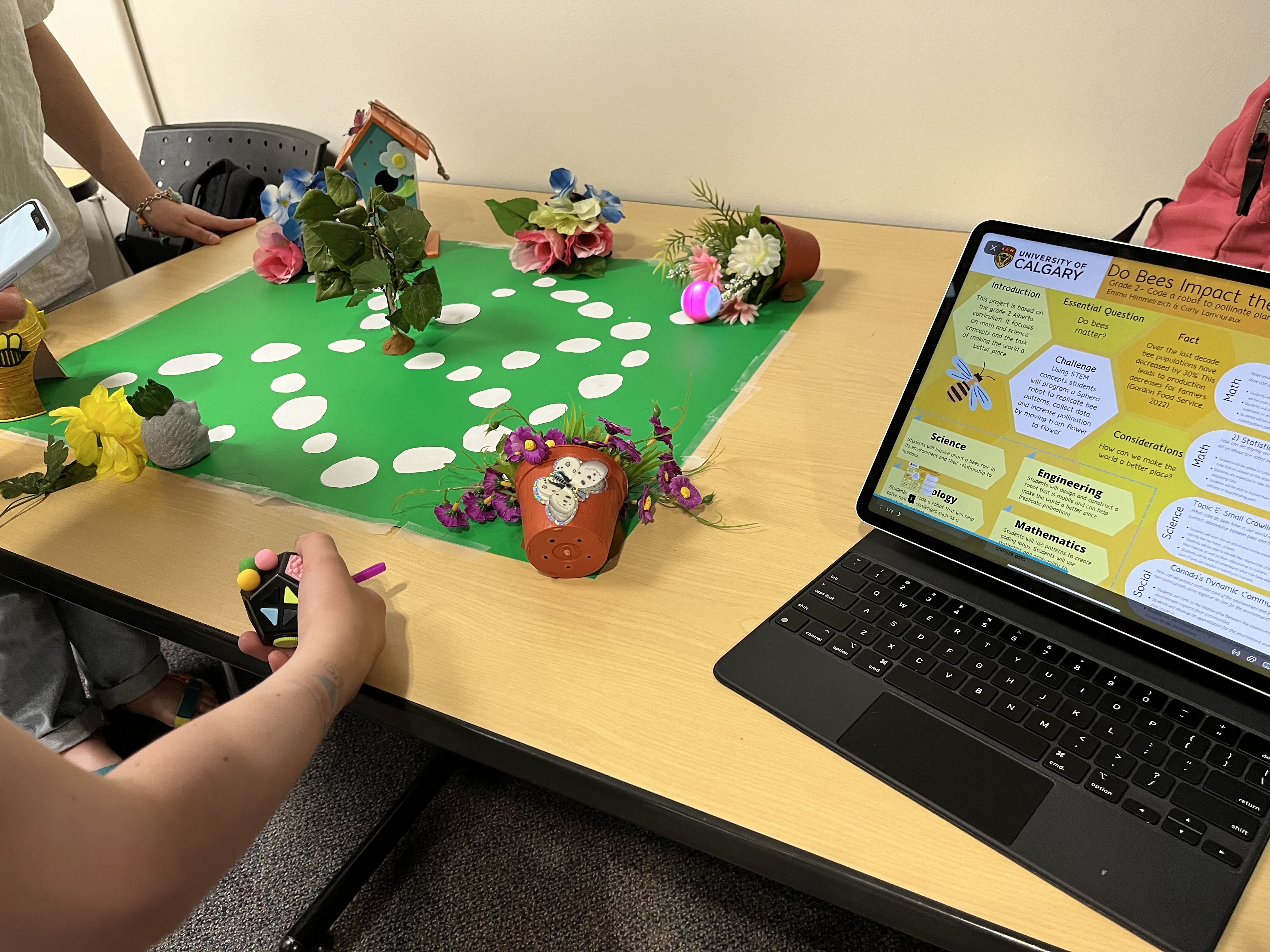
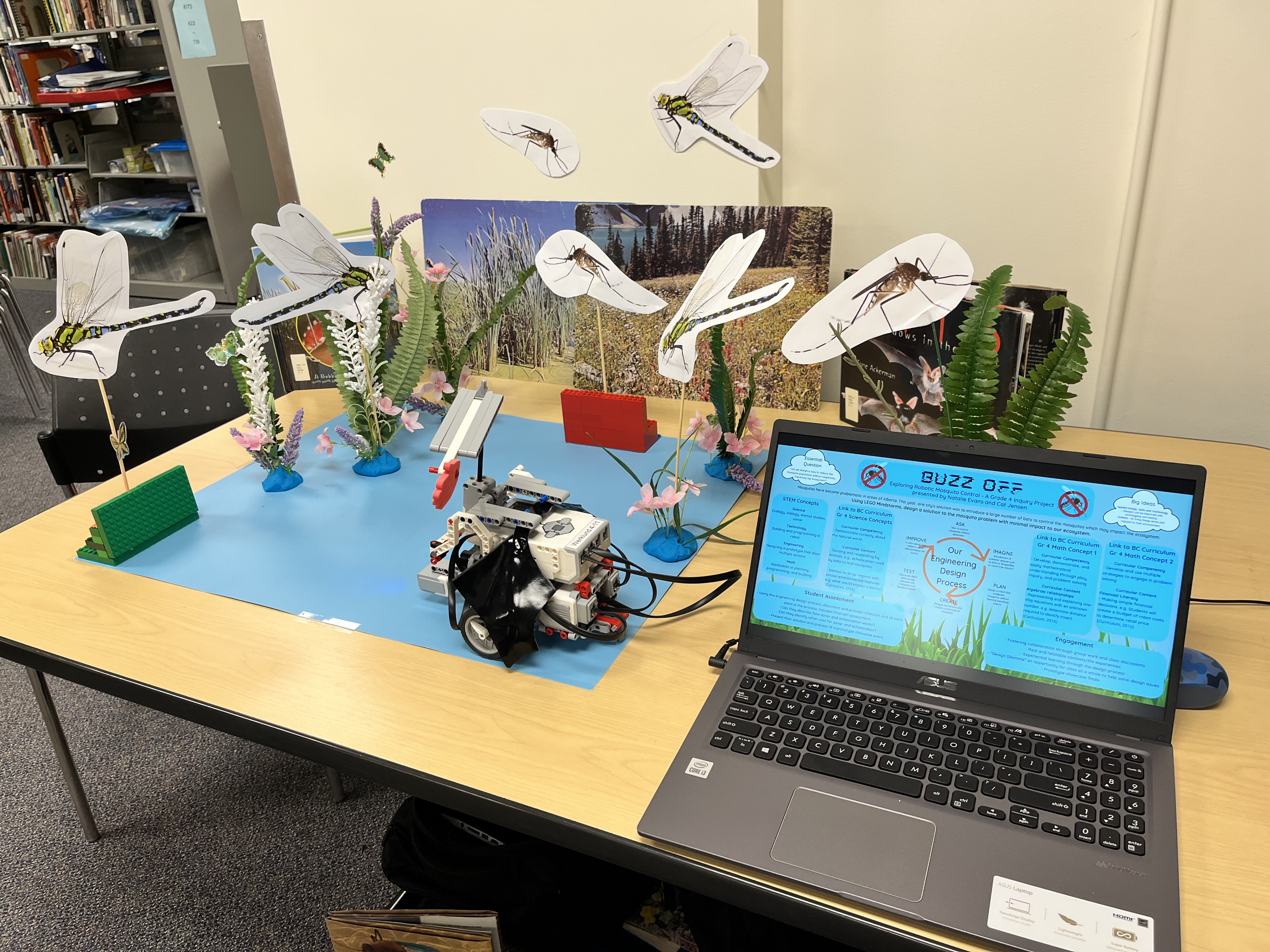
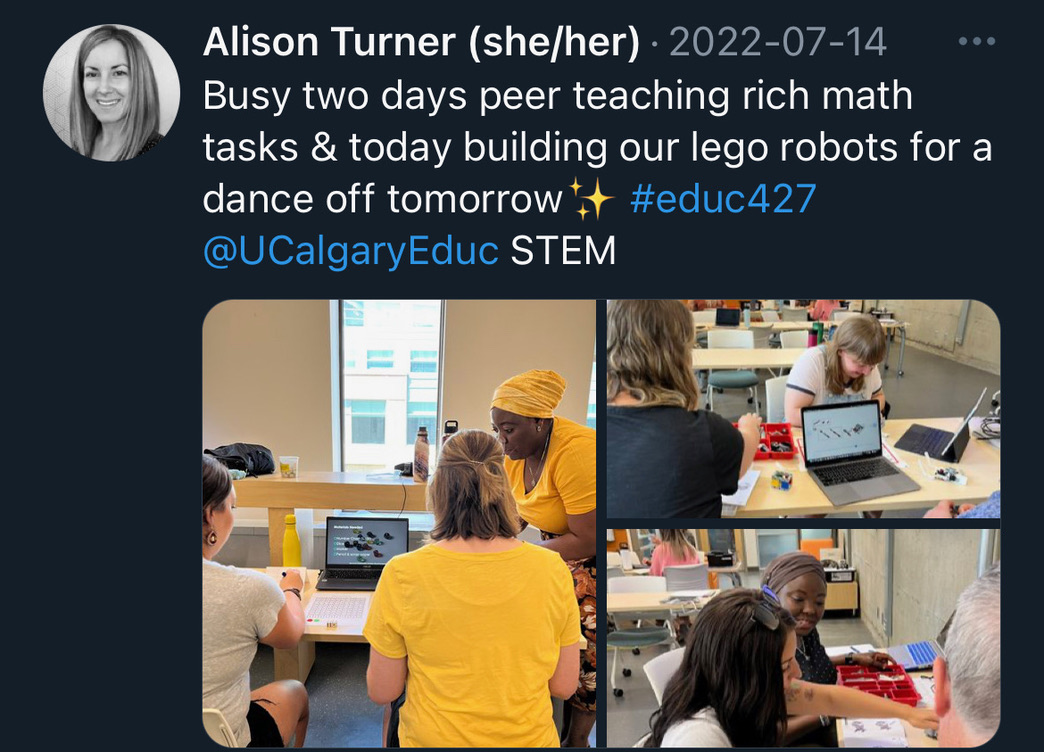
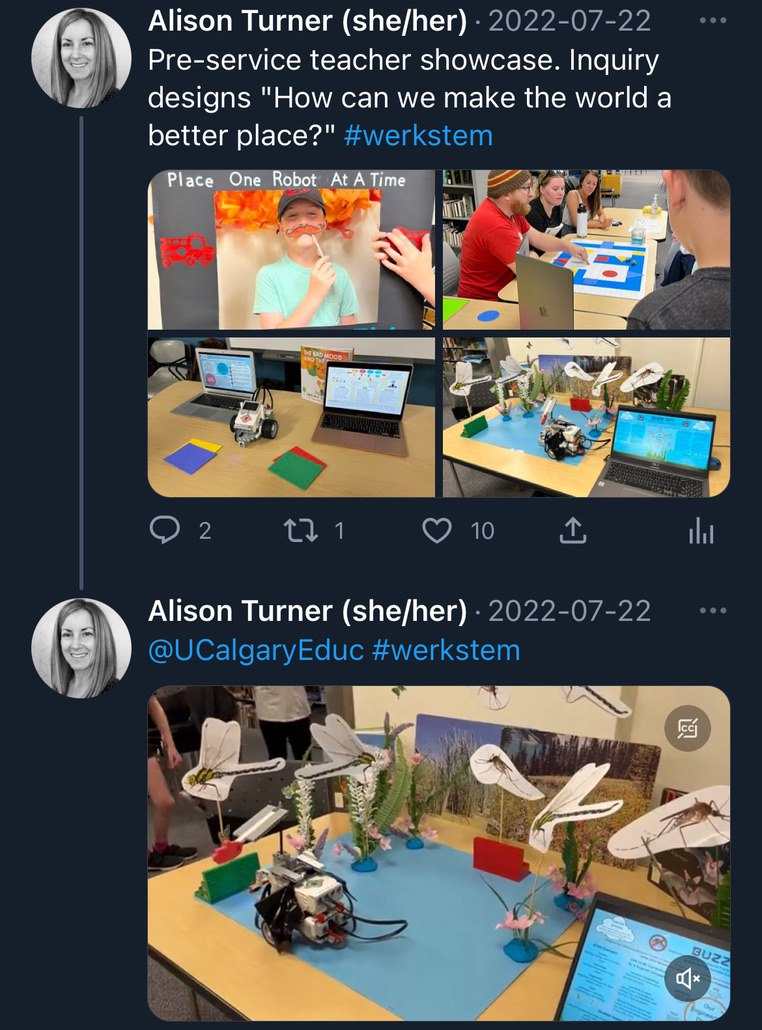
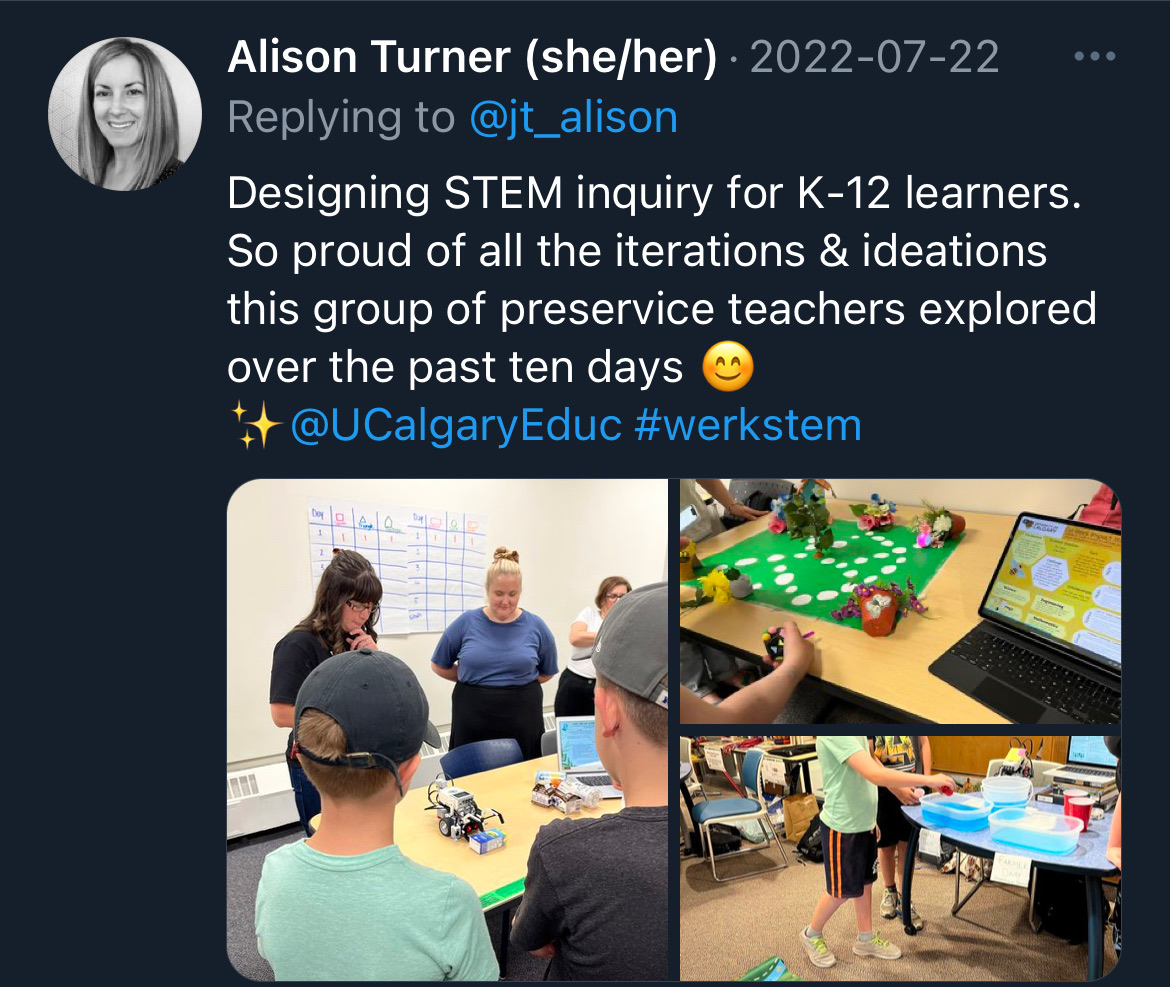
STEM 427. At the Werklund School of Education summer course, pre-service teachers students gained an introduction to key elements of Science, Technology, Engineering, and Mathematics (STEM) pedagogy and curriculum. Students fostered an understanding of how STEM informs and shapes interdisciplinary, design-focused, inquiry-based teaching and learning and the role of STEM in culture and society.
Learners collaboratively programmed robots, participated in self reflection and critical friend feedback loops, completed math challenges with a showcase of a math faire, and then designed an interdisciplinary inquiry unit for a K12 classroom the question: How to make the world a better place? There was a final exhibition of learning to showcase their designs to the public.



EDUC 521 Design for Learning University

K12 Teaching Examples
Grade 10 English 10-1 Interdisciplinary Learning Design
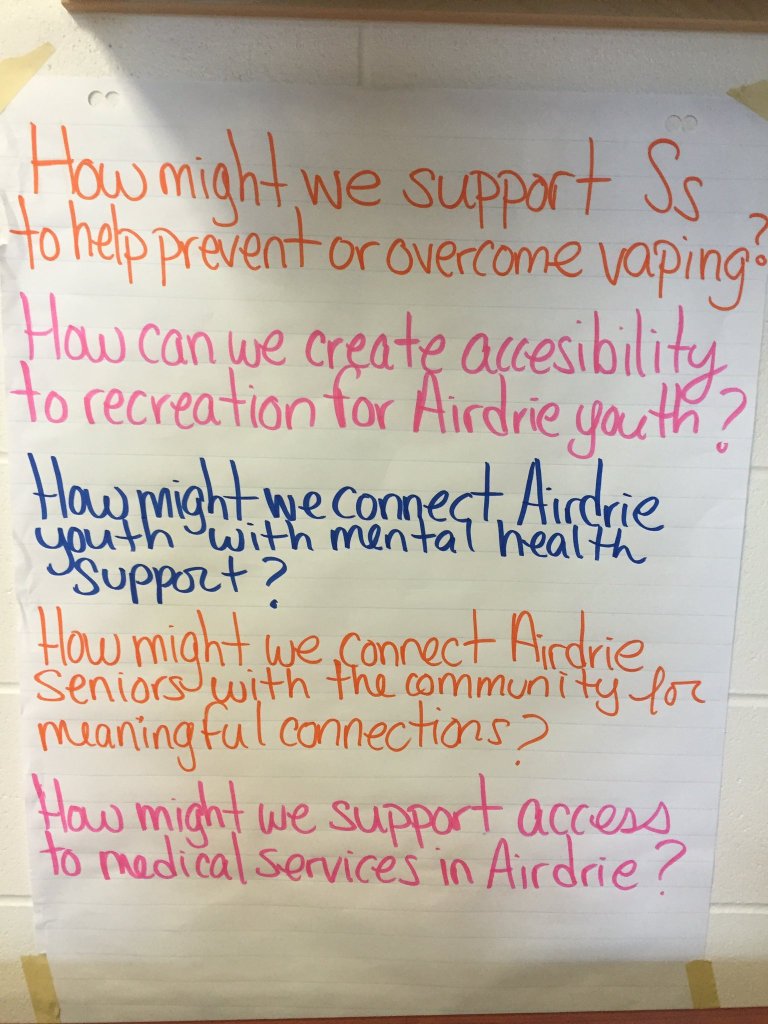
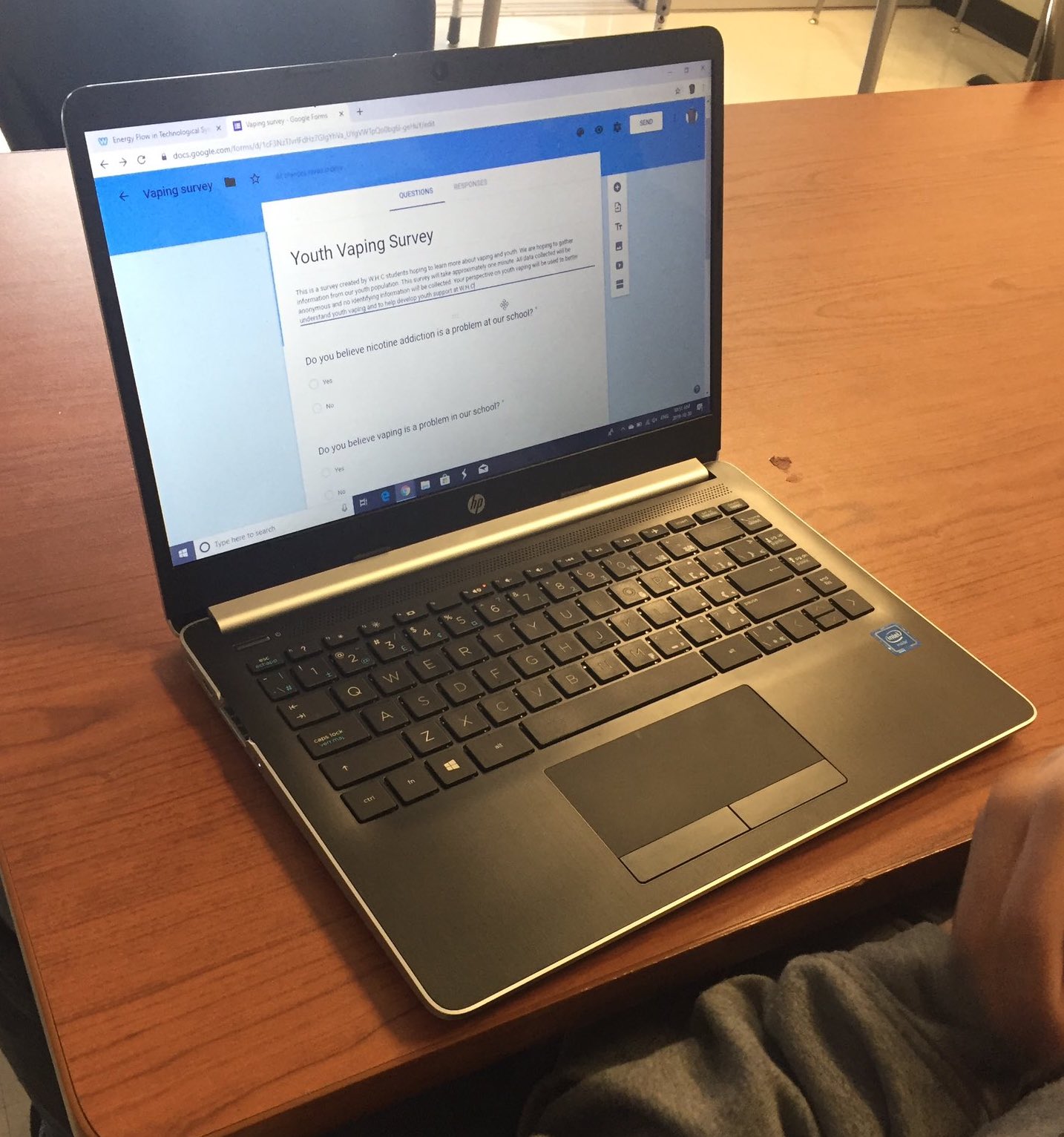
Students in English 10-1 explored the question: What issues are Airdrie youth facing today? Using the Design Thinking process, they identified real-life challenges in their community and developed inquiry topics to investigate. Working in groups, they reached out to experts, gathered peer data through surveys, emails, and phone calls, and conducted independent research. Their findings and proposed solutions were compiled into digital magazine articles using Lucidpress. Learners participated in frequent feedback loops to provide each other critical friend feedback on their writing process. The final product was a printed magazine to promote change.
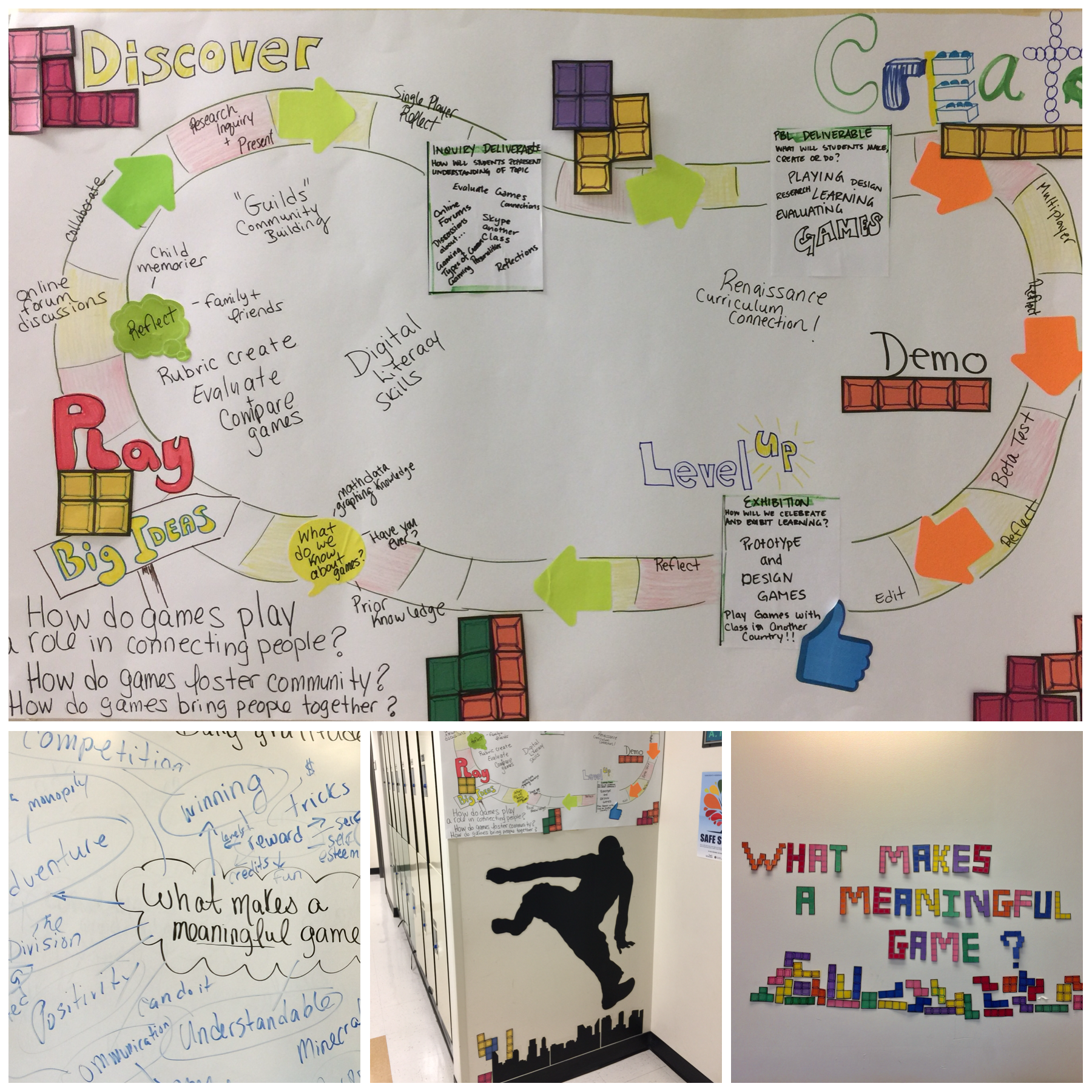
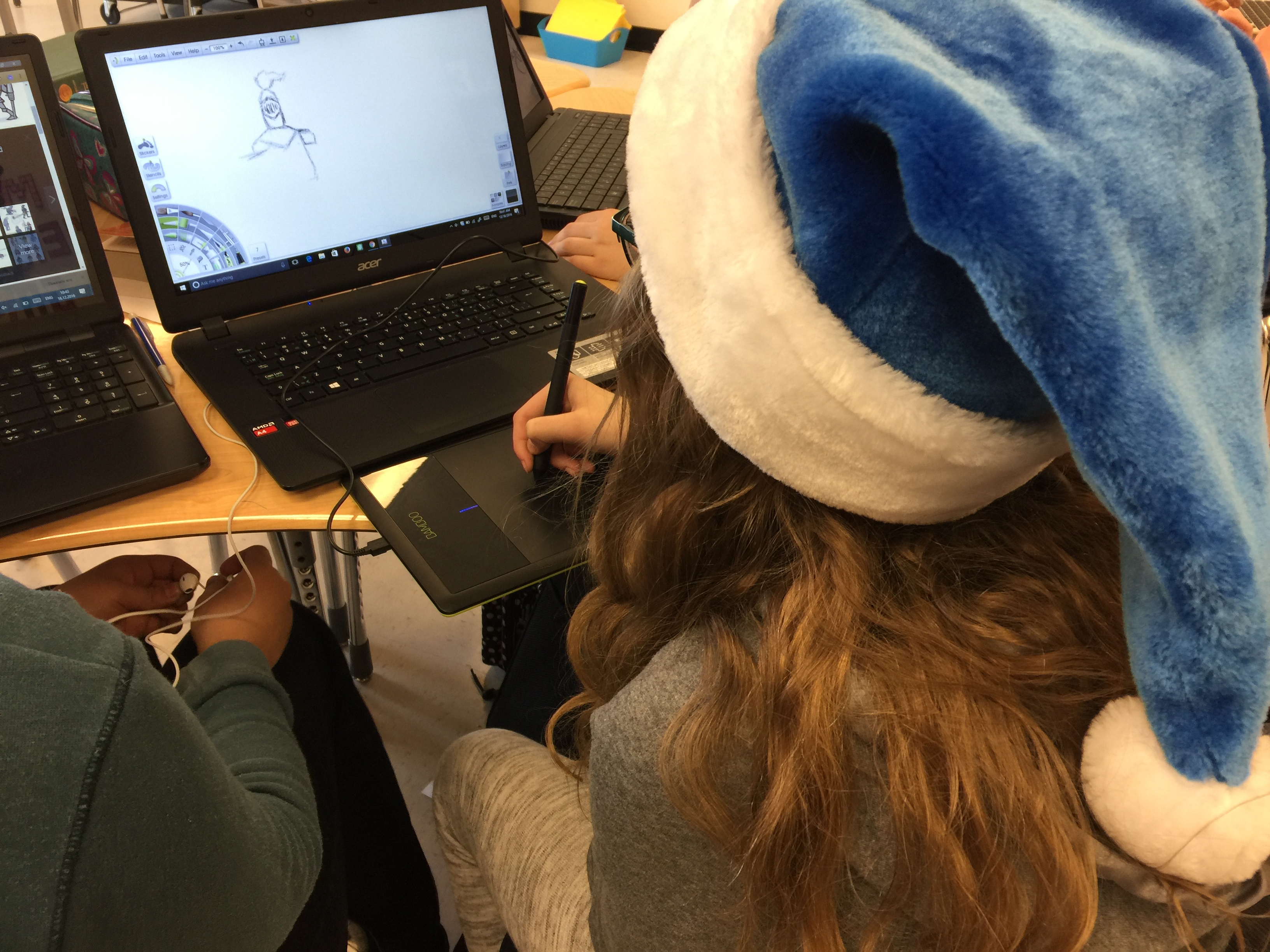
Grade 8 Interdisciplinary Learning Design Game Design
How do games play a role in connecting people? How do games foster community? This cross-curricular unit used Design Thinking as a framework for ideation and problem-solving. It integrated Social Studies (Renaissance), Health (Gaming & Addictions), Language Arts (Communication, Writing/Editing, Digital Literacy), and Art (Design).
Students began by researching the history of gaming, then collaboratively developed, designed, and tested their own original games—ranging from online and board games to physical gym-based activities—building on their individual strengths and interests.
As part of a global connection, students partnered with a Japanese language class in Hawaii to share, play test, and critique game designs. See the Inquiry Planner Here in Google Docs.


Grade 7 Geographic Interdisciplinary Learning
Geographic Inquiry Magazine: Grade 7 Interdisciplinary Unit. Guiding Question: How do humans impact Airdrie?
As part of an interdisciplinary unit, our Grade 7 team designed a geographic inquiry project that connected Social Studies, Language Arts, Science, and Physical Education. Framed by the central question “How do humans impact Airdrie?”, students explored local issues through observation, research, and reflection.
The unit began with a walking tour of Airdrie to collect data through photographs and field notes. Students used the Design Thinking process to sort observations into themes and generate personal inquiry questions. Each student then conducted independent research and wrote a feature article, culminating in the creation of a class Geographic Inquiry Magazine which was printed.


Grade 7 School Space Re-design Inquiry
Initial Driving Question: How can we improve Muriel Clayton Middle School to better support learning? Through this inquiry, learners explored how we could reimagine a space for all. They observed, researched, prototyped solutions and presented their ideas to school representatives to discuss chage. Google Doc student handout. Please see the School Space Re-Design page.
Phase #1: Inspiration & discovery.
Step One: With our inquiry question in mind, we toured our school with observational journals, pausing at various areas to take notes on our experiences.
Step Two: We gathered our found data & questions onto post it notes.
Step Three: Sharing Group Data. We gathered into groups and share our experiences with others, placing our post-its onto large sheets of paper. Individual knowledge becomes shared knowledge.
Step Four: Groups analyzed & organized the found data into similar sections on each poster. We also gallery walked to see what other groups found.
Phase #2.Developing Human Centred Design inquiry questions based on our found data.
This is always one of the most challenging hurdles to overcome as it requires developing a solid question which will lead to many possibilities and hopefully designs which can make a positive impact upon others. Taking our data and forming them into meaningful and human centred design questions, students were challenged to create questions which encompassed the following:
- How can/might we?….
- What impact are we trying to create?
- Why does this impact matter? Who will we help?
Easier said then done. One group question began like this “How might we improve the school hallways to improve the school experience?” A great question, yet not quite stating what impact they were hoping to have. Why did it matter if the hallways were changed? Who would such a design impact? I challenged them to keeping editing. As a class we shared our questions on the whiteboard and collaboratively edited them together.
Soon, this question shifted into: How can we enhance the school hallways to better communicate and foster school culture and be welcoming to all?
In the end, we had seven great student generated questions to explore in groups:
How can we make the front entrance of MCMS support a safe and welcoming environment? How can we improve the MCMS student washrooms to decrease graffiti and increase the overall bathroom experience? How can we make our school environment more universally supportive? How can we make our forum more accessible and support student learning? How can we enhance the MCMS’s office infirmary to support all MCMS’s students? How can we enhance the school hallways to better communicate and foster school culture and be welcoming to all? How can we reduce daily power consumption at MCMS to save energy use and costs?
Grade 6 Tree Inquiry Learning
As part of an interdisciplinary science and language arts unit aligned with Alberta’s previous Grade 6 curriculum, students engaged in a hands-on tree inquiry project. Through field observation, journaling, and guided questioning, learners identified and classified local tree species, explored their characteristics, and investigated their ecological roles. This inquiry fostered critical thinking, scientific observation, and collaborative learning while building connections between nature, research, and communication skills.


Film Studies 15/25/35 & English 10-1 Collaborative Assessment

Film Studies & English 10 collaboratively co-designed assessment rubrics for their own film creations, and in how to analyze films when viewing. Through a class guided discussion on What makes a great film? learners then worked in groups to brainstorm what our rubric should contain for assessment in a shared class google document.
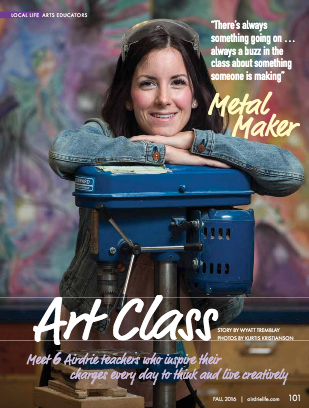
Visual Arts & Metal Design CTF 5-8
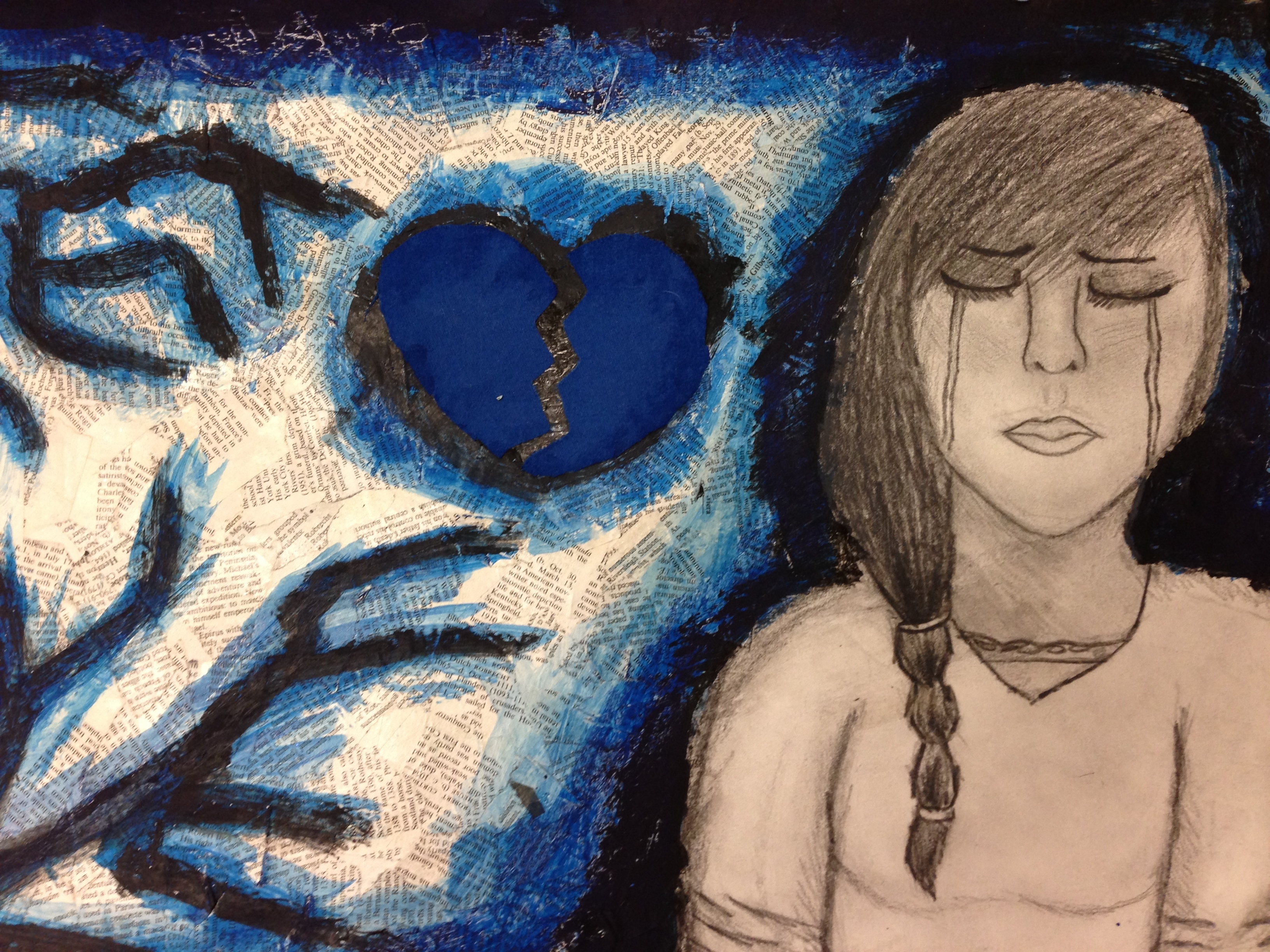
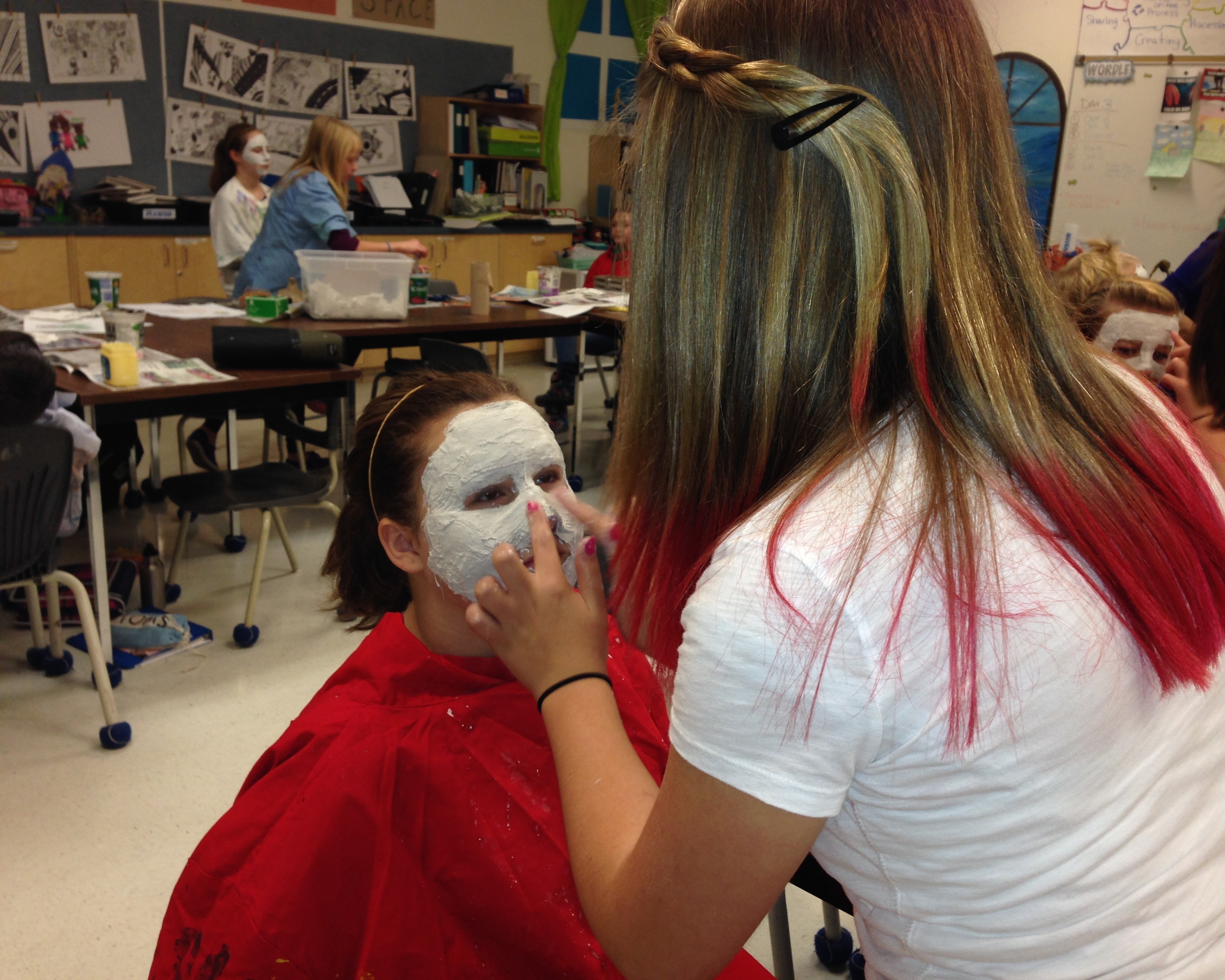
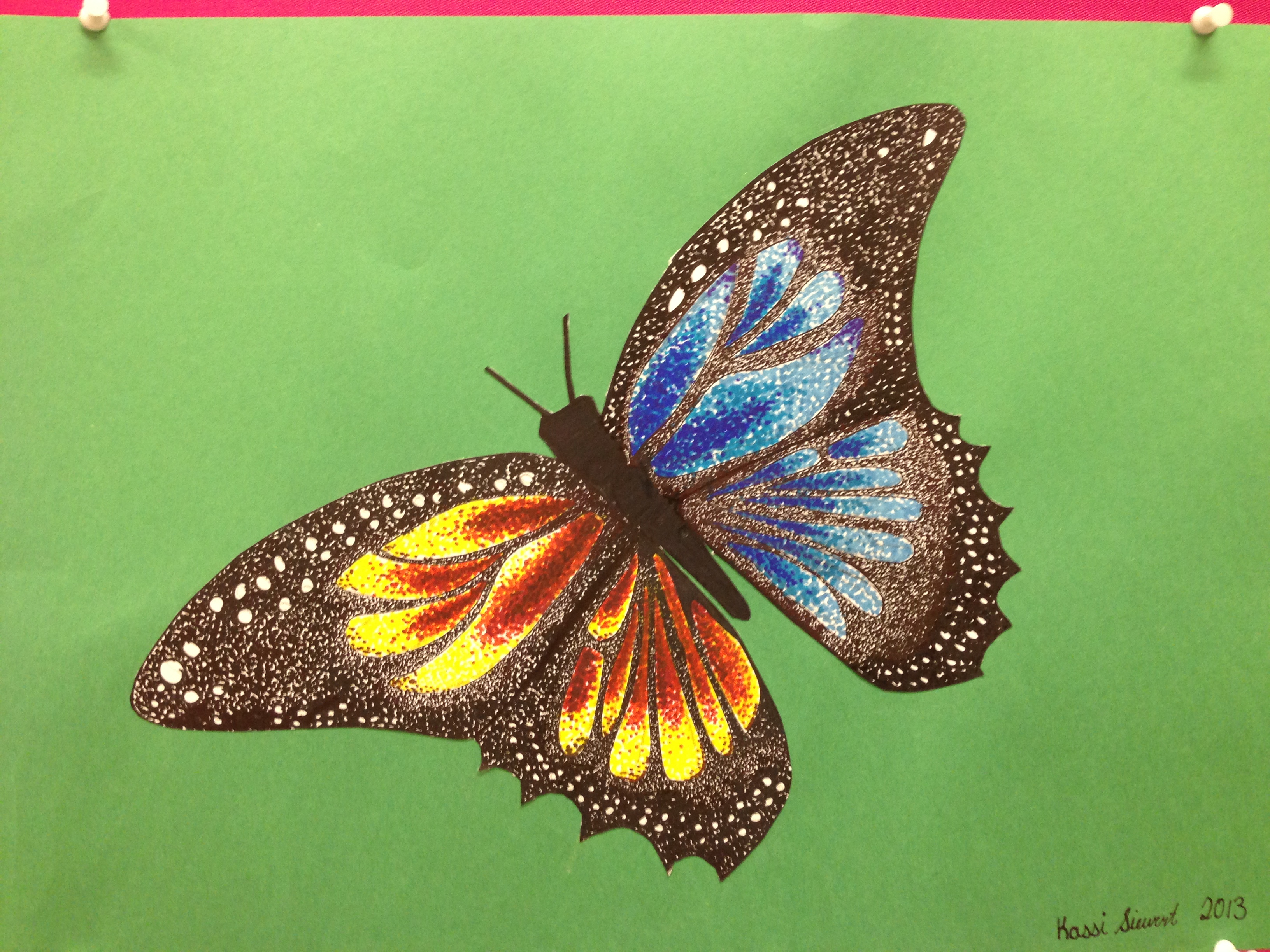
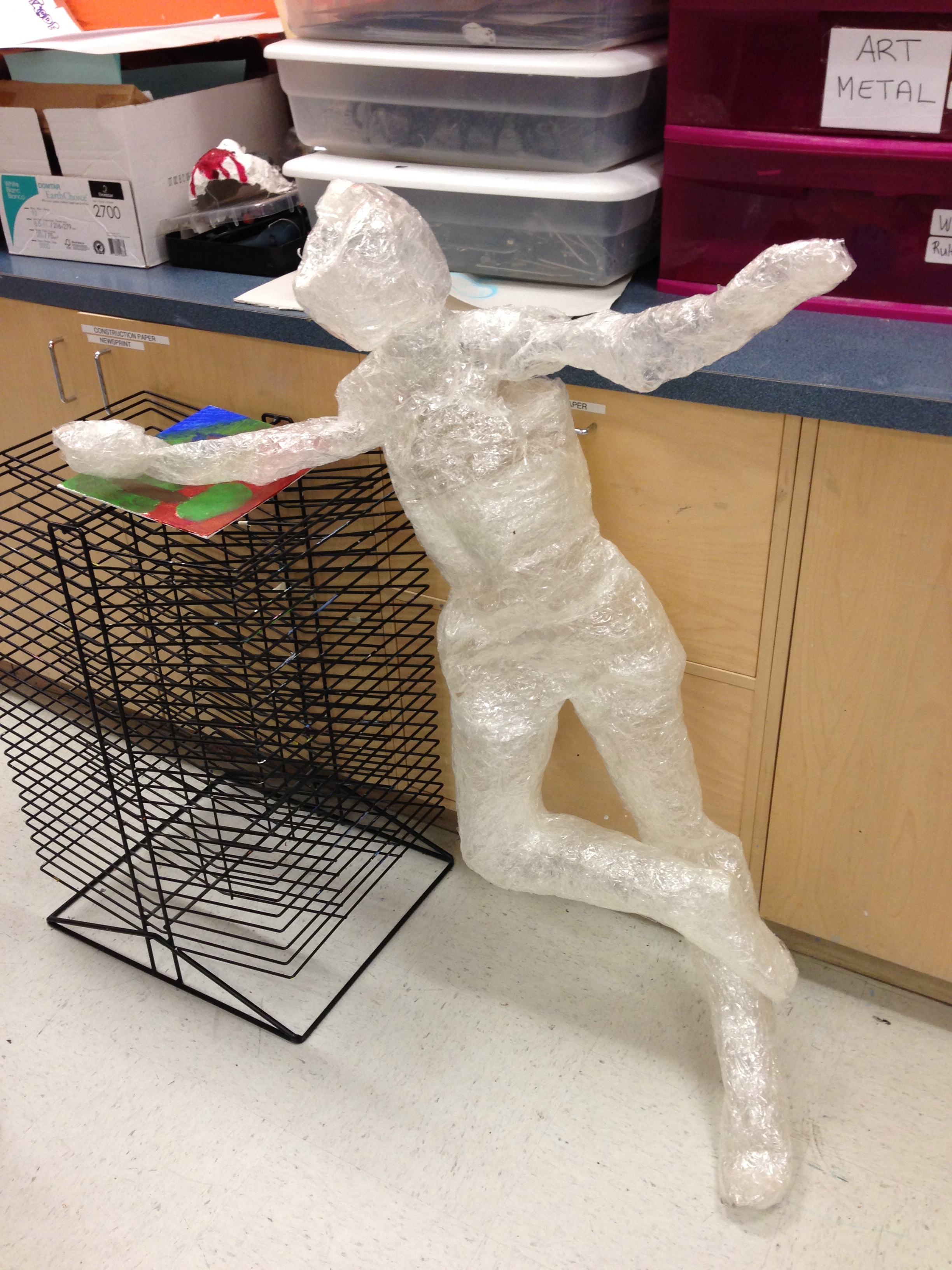
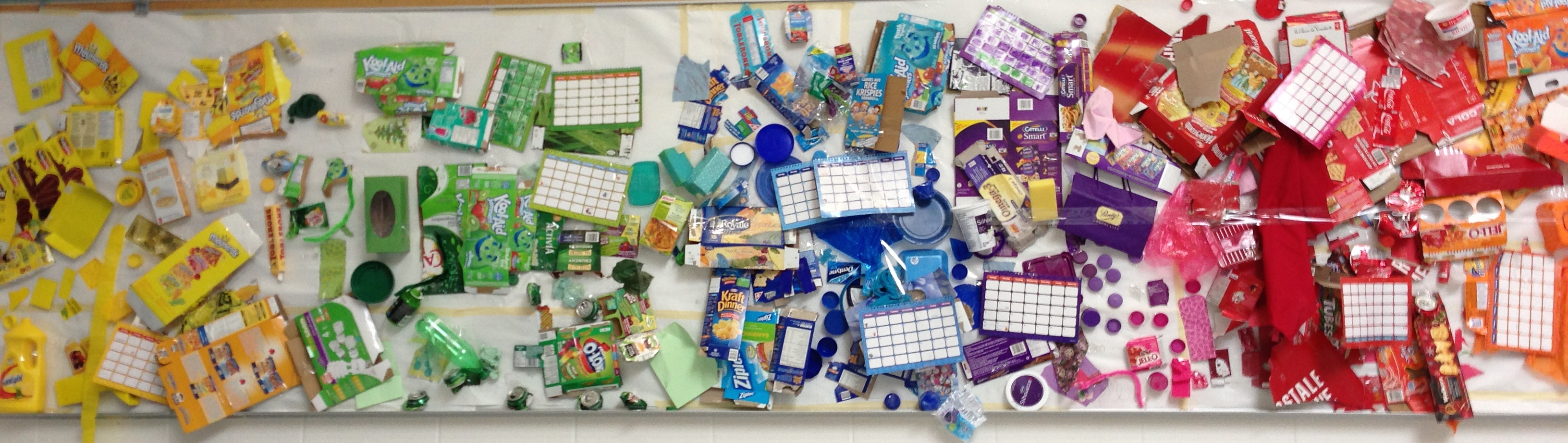
I designed creative learning experiences that blend exploration, technique, and expression. In Visual Arts, students built foundational skills across media—drawing, painting, sculpture, and collaborative projects—while developing confidence and voice. In Metal Design, they extend creativity into applied arts, working with metal tools and materials (brass, copper etc.) to design functional, meaningful pieces such as belt buckles, rings and necklaces. Together, these experiences fostered artistry, problem-solving, and community through shared creative expression.











Collaborative Experiences to build Community
Throughout my career, I have designed and facilitated collaborative experiences that intentionally build community, foster creativity, and strengthen relationships among learners and educators.
- Online Cohorts During the Pandemic
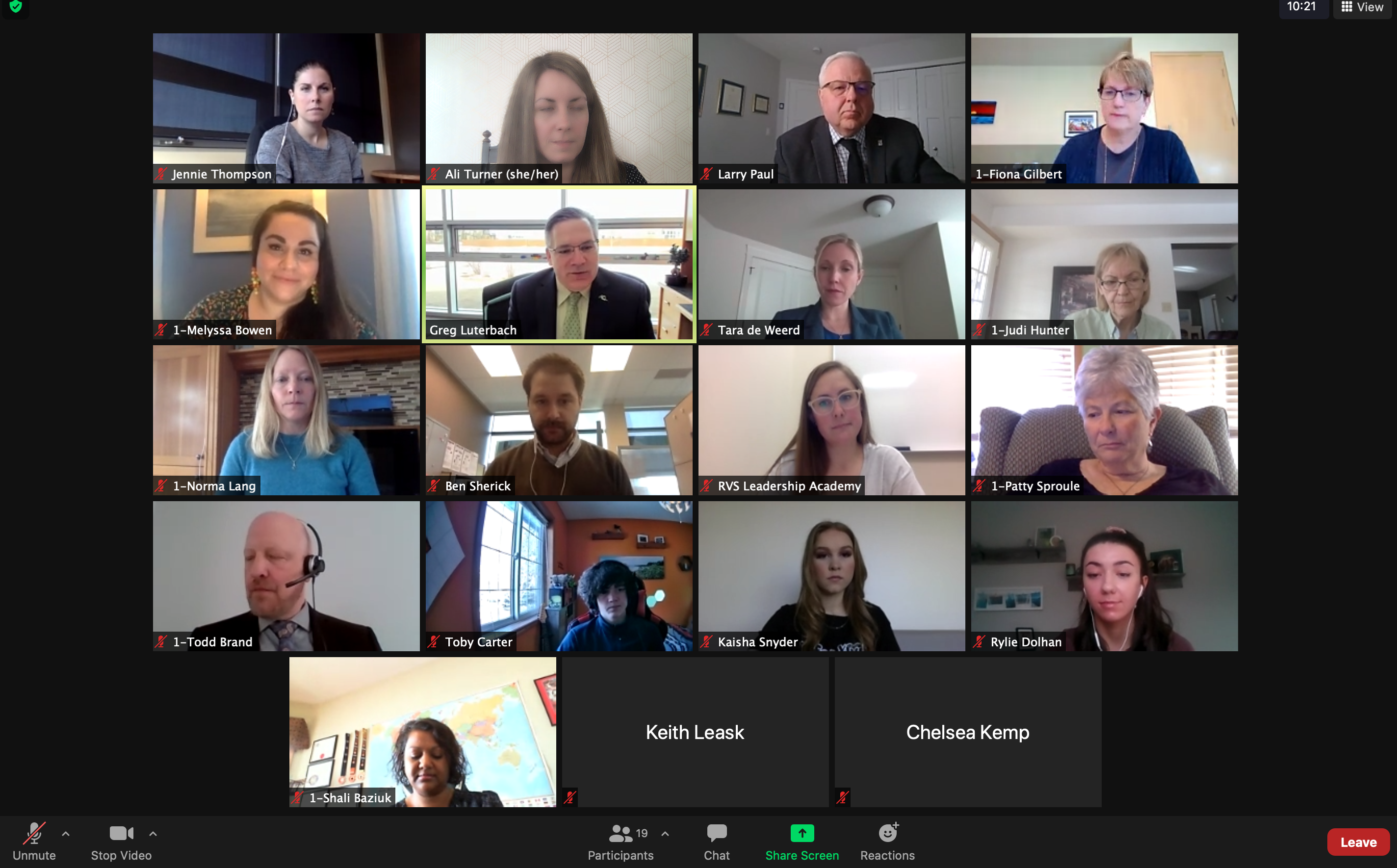
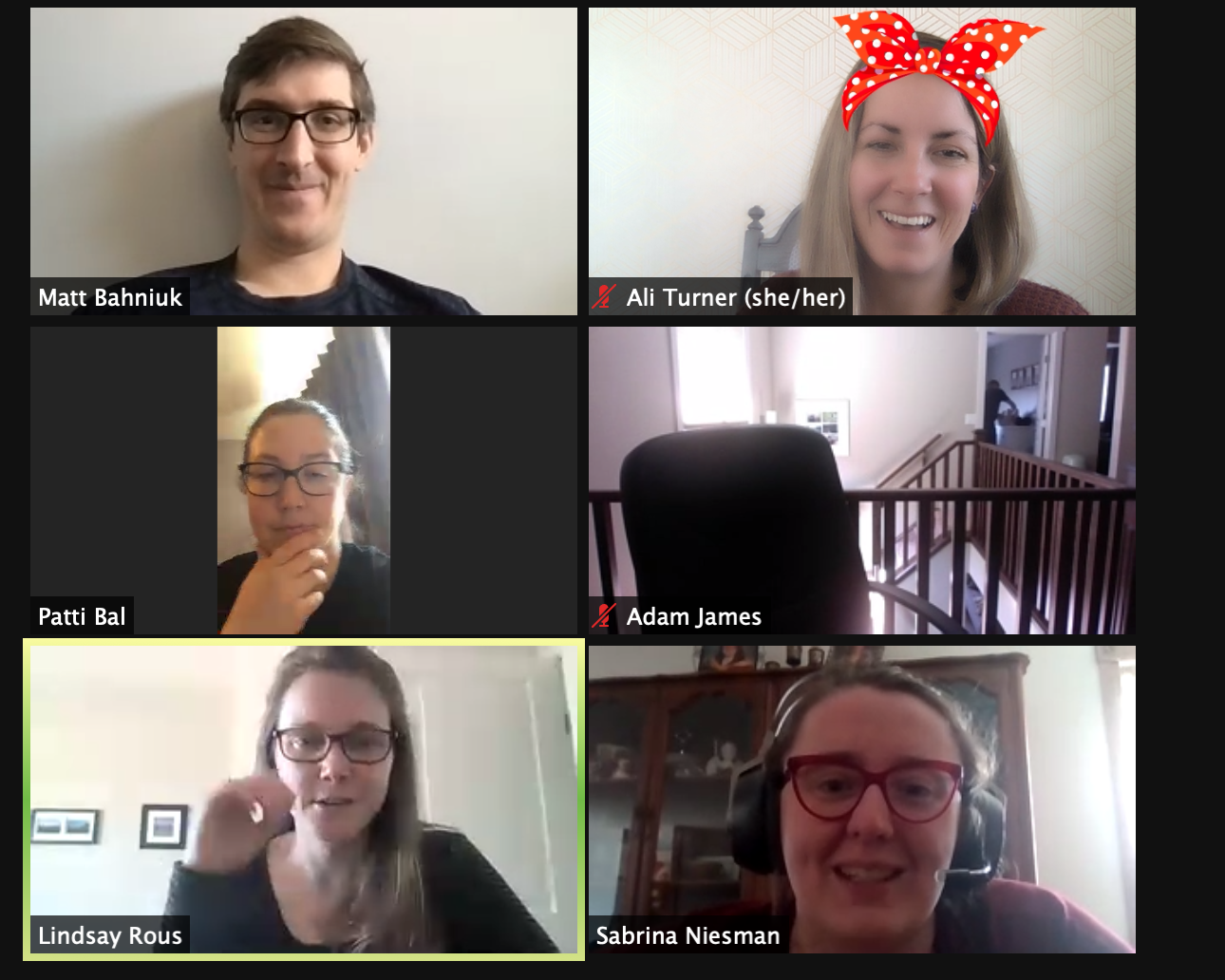
I supported elementary and high school teachers by facilitating online cohorts that provided professional learning, peer support, and resource-sharing during school closures. These virtual communities became essential spaces for connection, problem-solving, and encouragement during an uncertain time. - Pinwheels for Peace
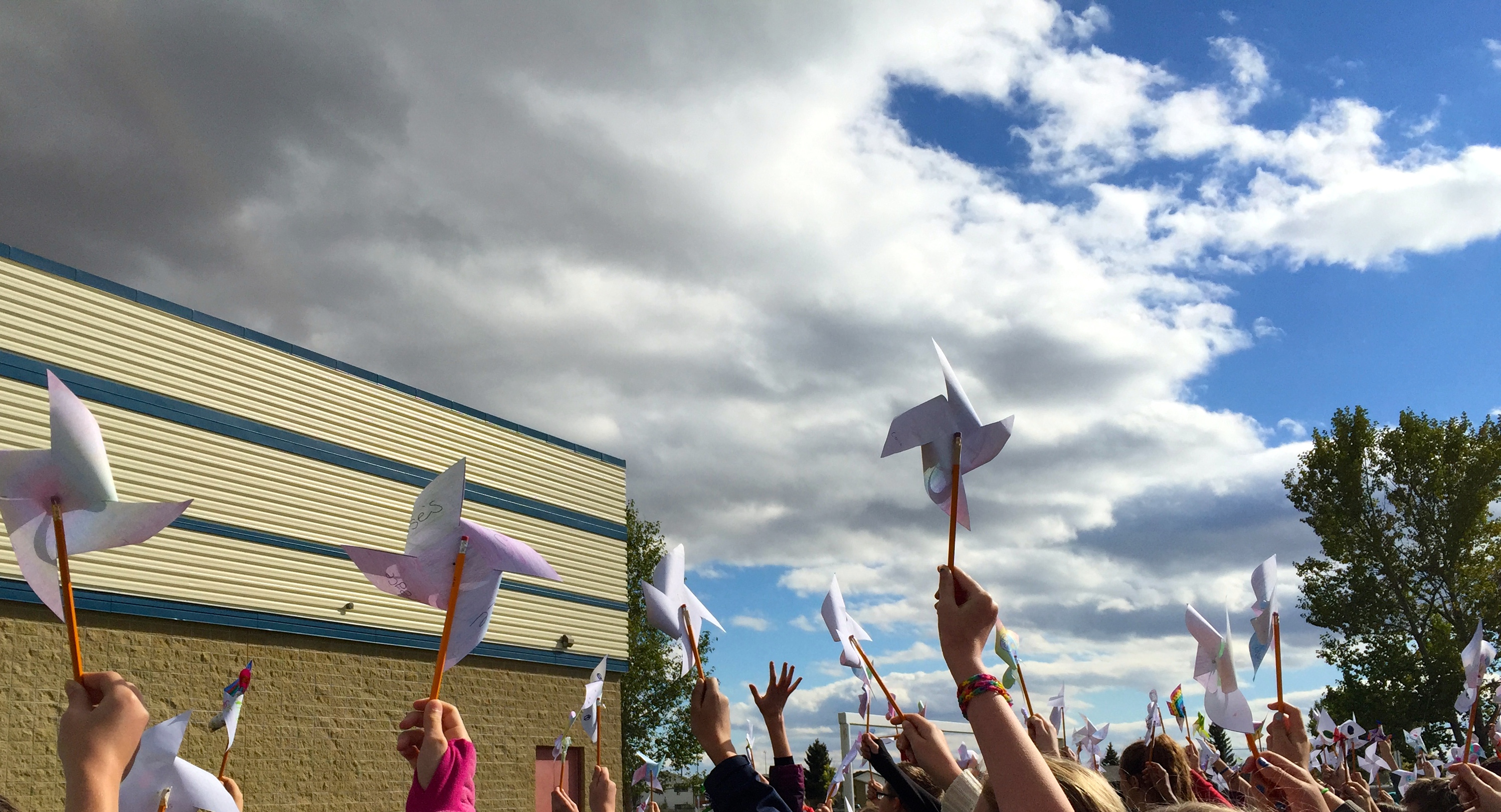
To unite a school community, I led a collaborative art initiative where students collectively created Pinwheels for Peace. This project gave learners a creative outlet to express their hopes while contributing to a larger shared message of harmony and belonging. - Junior High Design Challenge
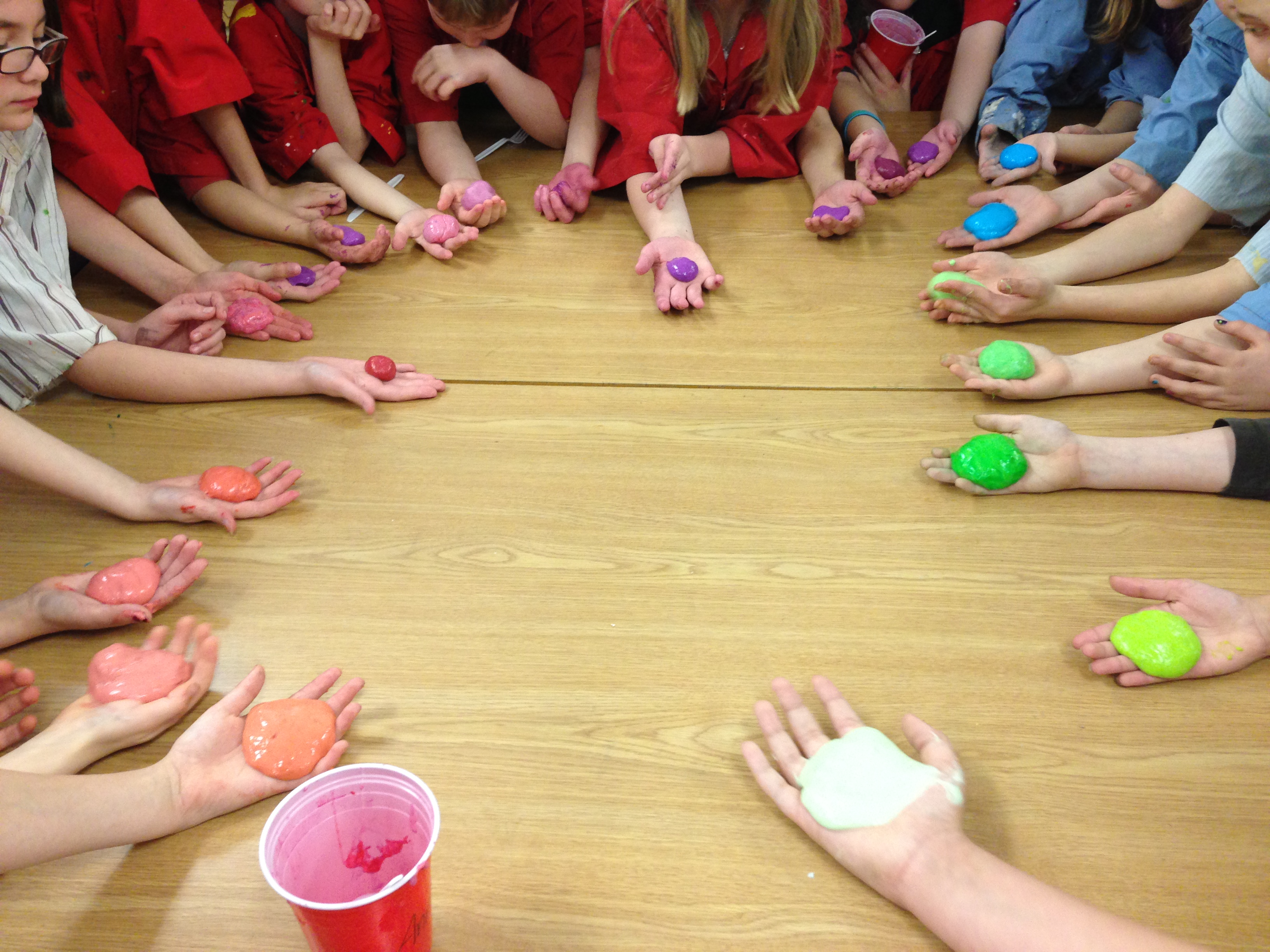
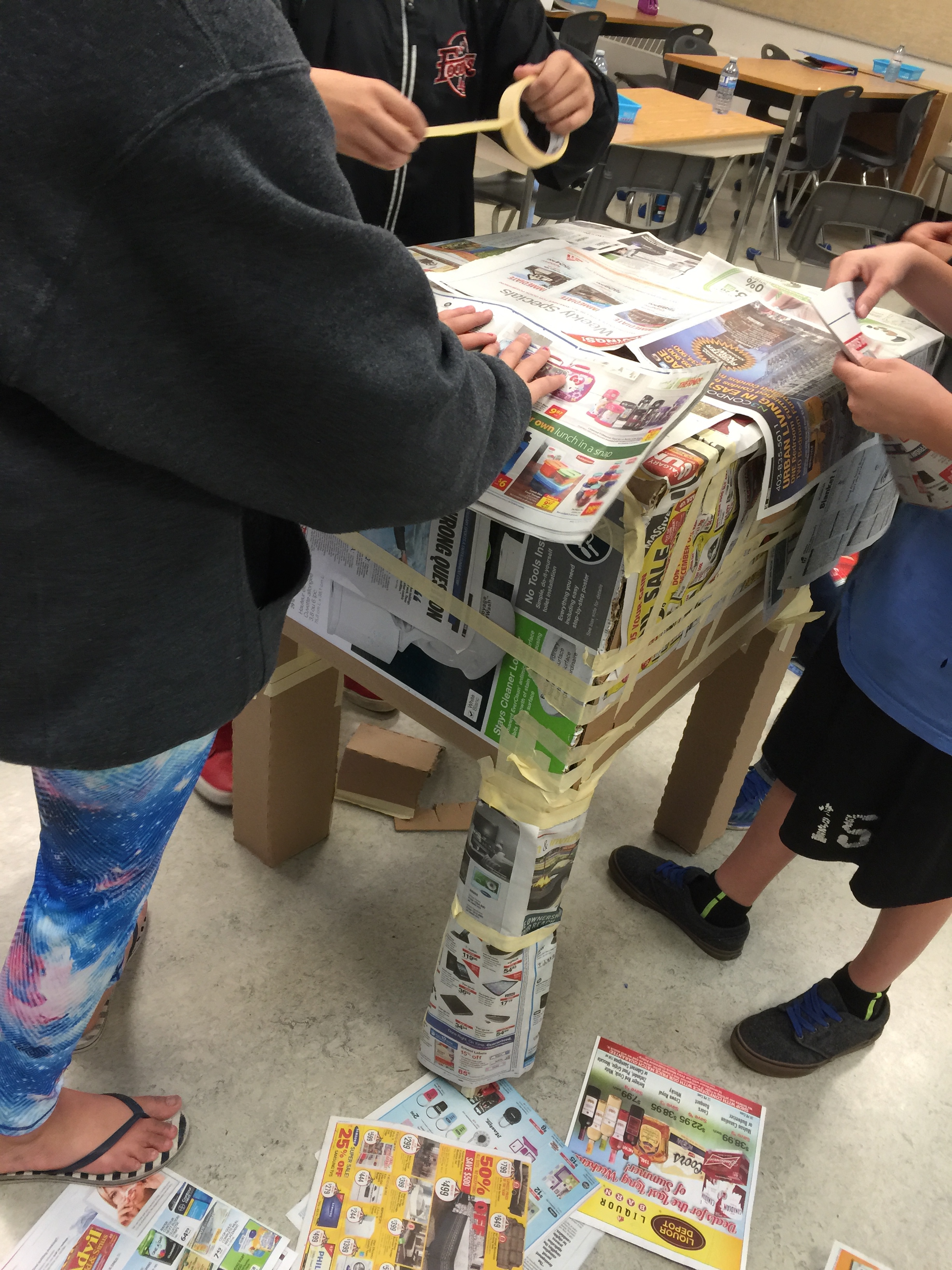
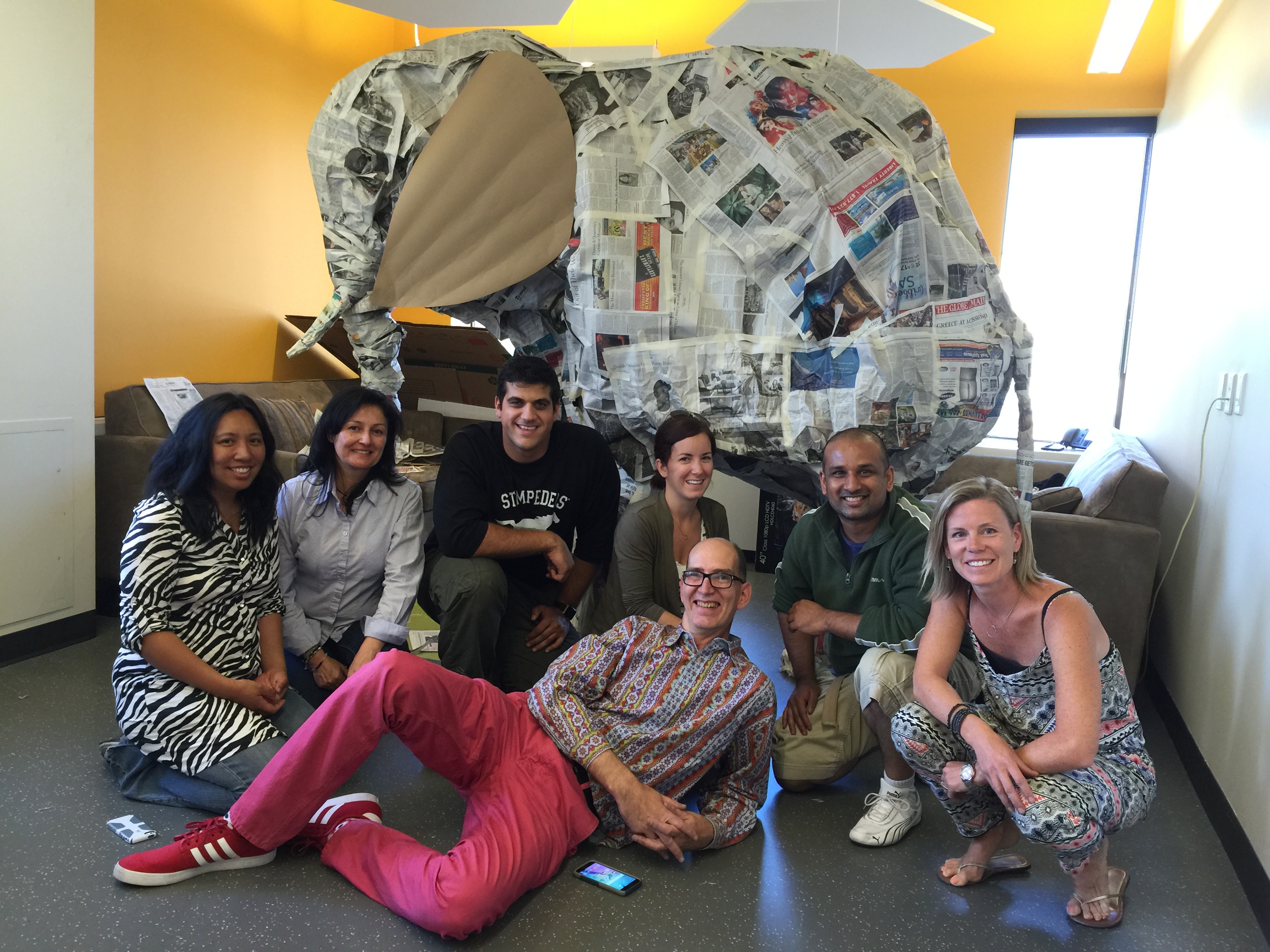
At the start of a school year, I launched a design challenge where students worked together to construct a life-size animal. This playful, hands-on project encouraged risk-taking, teamwork, and communication while helping students form connections with peers in a low-stakes, creative environment. - Collaborative Art Convergence
Partnering with St. Mary’s University, I coordinated a one-day Art Convergence experience, bringing together over 100 students and faculty. This large-scale collaboration emphasized community, creativity, and interdisciplinary learning, allowing participants to experience the power of collective expression.
Across these initiatives, my focus has been on designing experiences that build belonging, encourage creativity, and develop the collaborative skills students and educators need to thrive.



 alisonlearns